 Katharine Tozier
 Key Signs You Need a Minneapolis Roofing Company for Immediate Repairs
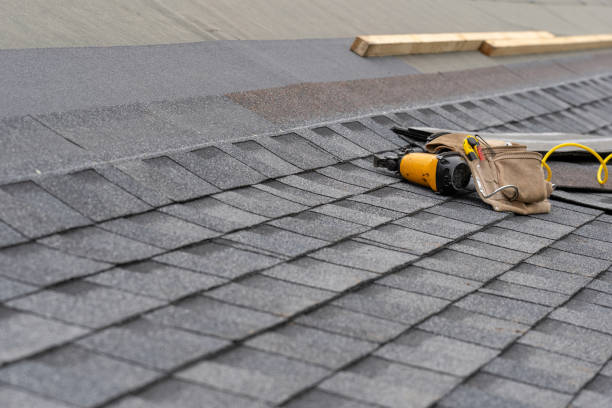
Visible Damage to Roofing Materials
The condition of your roofing materials is a clear sign of potential issues. Look out for:
– Missing shingles: These can expose the underlying structure to water damage and leaks.
– Cracked or curling shingles: This suggests aging or weather-related wear and tear.
– Granule loss: If you notice excessive granules in your gutters, it could indicate that your shingles are deteriorating.
These issues often lead to further structural damage when ignored, so inspecting your roof regularly is crucial.
Leaks Inside Your Home
Water stains on ceilings or walls are often linked to roof problems that need urgent attention. These stains typically result from:
– Gaps in flashing around chimneys or vents
– Punctures caused by tree branches or debris during storms
– Damaged underlayment beneath roofing materials
If you spot damp patches indoors, it’s time to call a professional roofer immediately.
Sagging Rooflines
A sagging or uneven roofline is a serious red flag indicating compromised structural integrity. This could be caused by:
– Excessive weight due to prolonged water accumulation
– Damaged rafters or trusses
– Poor original installation practices
Ignoring this issue may result in extensive repair costs and even pose safety risks over time.
Increased Energy Bills
If you’ve noticed a spike in heating or cooling costs, your roof might be responsible due to poor insulation caused by leaks or ventilation issues. Key culprits include:
1. Gaps where air escapes through the attic.
2. Worn-out insulation resulting from prolonged exposure to moisture.
Addressing these deficiencies promptly can improve energy efficiency and reduce monthly utility expenses.
Growth of Moss, Algae, or Mold
The presence of moss, algae, or mold on your roof isn’t just an aesthetic concern; it can signal underlying moisture problems that need immediate resolution. Some impacts include:
– Accelerated shingle decay due to trapped moisture underneath vegetation growth – Water infiltration leading to interior mold development
Professional cleaning and treatment can help prevent further damage.
Table – Common Indicators & Their Implications:
| Indicator | Potential Cause | Recommended Action |
| Missing shingles | Storm damage/aging | Replace damaged sections |
| Water stains indoors | Leaks around flashing/vents | Inspect & seal leaks |
| Sagging areas | Structural weakness/moisture build-up | Reinforce structure & improve drainage |
| Moss/mold growth | Trapped moisture | Clean & treat affected areas |
Timely identification and resolution of these issues can extend the life of your roof while saving you money on larger repairs down the road. Regular inspections—particularly after severe weather events—and seeking professional advice when concerns arise are essential steps for proactive maintenance: https://www.minneapolisroofingcompany.net
Finding a Reliable Roofing Contractor Minneapolis MN for Timely Roof Repairs
Addressing roof issues promptly is essential for maintaining the integrity of your home and avoiding expensive repairs down the line. Small problems, if left untreated, can escalate into major structural damage that impacts not only the roof but other areas of your property. Understanding the significance of timely roof repairs can help homeowners take proactive steps to protect their investment.
Why Delaying Roof Repairs Can Be Risky
- Structural Damage: Minor leaks or cracks in the roofing material allow water to seep into the underlying structure, weakening beams and causing wood rot.
- Increased Repair Costs: What starts as a small issue (e.g., a missing shingle) could require more extensive—and expensive—repairs if ignored.
- Energy Inefficiency: Damaged roofs often result in poor insulation, increasing energy bills due to heating or cooling loss.
- Health Hazards: Moisture buildup promotes mold growth, which can lead to respiratory issues and other health concerns for occupants.
Benefits of Timely Repairs
- Fixing small problems is far less costly than dealing with widespread damage.
- Preventative maintenance eliminates the need for frequent significant overhauls.
- Regular upkeep ensures your roof lasts longer by preventing minor wear from escalating.
- A well-maintained roof boosts curb appeal and reassures potential buyers about your home’s condition.
- Addressing potential hazards quickly ensures a safer living environment for you and your family.
| Factor | Result of Delayed Repair | Benefit of Timely Repair |
| Cost | Higher repair/replacement cost | Lower maintenance cost |
| Structure Integrity | Compromised | Preserved |
| Energy Efficiency | Reduced insulation | Optimal energy performance |
Signs You Need Immediate Roof Repairs
- Missing or damaged shingles
- Leaks or water stains on ceilings
- Sagging areas on the roofline
- Cracked flashing around vents or chimneys
- Accumulated debris in gutters (indicating wear)
Proactive Steps for Homeowners
- Schedule regular professional inspections—ideally twice a year.
- Monitor attic spaces and ceilings for signs of moisture or leaks.
- Clean gutters periodically to avoid water pooling near the foundation.
- Address any visible wear and tear promptly rather than postponing action.
Timely roof repairs are an investment in both your home’s structural integrity and its long-term value. By being vigilant about maintenance needs and taking swift action when issues arise, you’re ensuring maximum protection for one of your largest assets—the place you call home.
Effective Solutions for Missing or Damaged Roofing Tiles by a Roofer Minneapolis MN
Missing or damaged roofing tiles are a common issue that, if left unaddressed, can lead to significant long-term problems for homeowners. Roofing tiles play an essential role in protecting your home from harsh weather conditions and keeping the structure watertight. Here are practical steps and helpful tips for handling missing or damaged roofing tiles effectively.
Why Address Missing or Damaged Tiles Immediately?
Neglecting damaged or missing tiles can result in:
– Water Damage: Exposed areas allow water to seep into your home, potentially damaging ceilings, walls, and insulation.
– Increased Energy Costs: Missing tiles compromise your roof’s insulation capabilities, leading to higher heating and cooling bills.
– Structural Issues: Over time, moisture intrusion can weaken the underlying roof structure, causing further deterioration.
Replacing these tiles promptly prevents more extensive damage and costly repairs down the line.
Steps to Address Missing or Damaged Roof Tiles
- Inspect Your Roof Safely
Before taking any action, assess the condition of your roof safely: - Use binoculars to inspect from ground level if possible.
- If you must climb up, use a sturdy ladder with proper safety gear.
- Check for cracked, chipped, dislodged, or completely missing tiles.
- Document the Damage
Take clear photographs of the affected areas as this: - Helps you communicate accurately with roofing contractors.
- Provides necessary evidence if you need to file an insurance claim.
- Cover Exposed Areas Temporarily
To prevent immediate water infiltration until professional repair can be completed: - Use tarpaulin secured with weights to cover gaps.
- Avoid using nails directly into your roof as they may cause further damage.
- Contact a Professional Roofing Contractor
While some minor repairs may seem doable on your own, hiring a licensed roofing contractor ensures: - Proper installation of replacement tiles that match your existing materials.
- A thorough inspection of underlying layers for hidden damage.
- Inspect Adjacent Areas
Damage is rarely isolated when it comes to roofing issues: - Have surrounding tiles checked for cracks or wear.
- Ensure flashing and sealants near the damaged area remain intact.
Common Causes Behind Broken Tiles
| Cause | Description | Suggested Prevention |
| Severe Weather | High winds and hailstorms dislodge or crack tiles | Regular inspections after storms |
| Aging Materials | Over time, materials lose durability | Replace old roofs every 20-30 years depending on type |
| Falling Debris | Tree branches or debris impact roof surfaces during storms | Trim overhanging branches near your property |
| Poor Installation | Subpar workmanship leads to weakly secured tiles | Hire certified contractors experienced in tile installation |
When Should You Consider Full Roof Replacement?
If tile issues are frequent across multiple areas of your roof rather than isolated incidents: – It may be more cost-effective to replace the entire roof. – Discuss options such as upgrading materials (e.g., switching from clay to composite for durability).
By addressing missing or damaged roofing tiles promptly and effectively through careful inspection and professional repairs, you can extend the lifespan of your roof while ensuring optimal protection for your home.
Effective Solutions for Missing or Damaged Roofing Tiles with Roofing Services Minneapolis MN
Missing or damaged roofing tiles are more than just an eyesore; they can lead to serious structural issues if not addressed promptly. Understanding how to handle such problems effectively can help you protect your home, save money, and extend the life of your roof. Below is a guide to managing and resolving issues related to missing or damaged tiles.
Inspecting Your Roof for Damage
- Cracks or Chips: Broken tiles with visible cracks may no longer provide effective protection against water.
- Missing Tiles: Gaps in your roof where tiles are absent can expose the underlayment and decking, leading to leaks.
- Discolored Tiles: Stains or discoloration on tiles might indicate water absorption due to compromised integrity.
- Debris Buildup: Piles of debris on your roof can hide damaged tiles beneath.
If accessing the roof is unsafe, consider hiring a professional roofing contractor for inspection.
Risks of Ignoring Damaged Roofing Tiles
| Risk | Potential Consequences |
| Water leakage | Structural damage, mold growth, interior deterioration |
| Compromised insulation | Higher energy bills due to heat loss |
| Pest infestation | Gaps in roofing create entry points for pests |
| Roof deck deterioration | Prolonged exposure leads to rot and instability |
Proactively addressing these risks can save you from costly repairs down the line.
Steps for Handling Missing or Damaged Roofing Tiles
- Assess the Extent of Damage
Begin by determining how many tiles are affected and whether additional areas of your roof are at risk. - Source Replacement Tiles
If possible, purchase replacement tiles that match your existing ones in material, color, and size. A mismatch could compromise aesthetics and functionality. - Temporary Protection
Use a heavy-duty tarp as a temporary measure if severe weather is expected before repairs can be made. Ensure it is securely fastened over the damaged area. - Hire Professional Help
While minor replacements might seem DIY-friendly, professional contractors have the expertise needed for proper installation without further damage. - Prevent Recurrence
Schedule periodic maintenance checks with a professional roofer and ensure proper drainage systems are in place to minimize future wear and tear on your roof.
When Should You Call a Professional?
- The damage extends across multiple sections of your roof.
- You notice water stains inside your home after heavy rainfall.
- The affected area is difficult or dangerous for you to access safely.
- You’re uncertain about the cause of tile damage (e.g., poor installation vs external impact).
Preventative Measures Against Tile Damage
- Trim overhanging branches that could fall onto the roof during storms.
- Clean out gutters regularly to prevent water backup that could loosen tiles.
- Conduct seasonal inspections after storms or extreme weather events.
- Opt for high-quality materials designed for durability and resistance against harsh environmental conditions.
Addressing missing or damaged roofing tiles promptly protects not only your home’s structure but also its long-term value and appeal. By taking proactive measures outlined above, you’ll ensure that minor issues don’t escalate into costly repairs later on.
Understanding the Causes and Solutions for Sagging Rooflines
A sagging roofline is a serious structural issue that can compromise the integrity of your home if left unaddressed. Identifying the causes and implementing effective solutions promptly is essential to prevent further damage and ensure your roof remains safe and functional. Below are some common causes of sagging rooflines, along with solutions to address them effectively.
How to Address Roof Repair for Sagging Rooflines

- Accumulated snow, ice, or debris on the roof can add significant weight, leading to a sagging structure.
- Improperly installed roofing materials or using materials that are too heavy for the frame can also contribute to this issue.
- Weak or compromised roof rafters and trusses due to age, poor craftsmanship, or low-quality materials may lack the strength to support the roof properly.
- Over time, wood rot caused by moisture infiltration weakens these key components, resulting in sagging.
- A shifting or uneven foundation can impact the overall alignment of your home’s structure, including the roofline.
- Leaks from damaged shingles or flashing may lead to pooling water inside the attic or between layers of roofing material, causing parts of the structure to warp or sink.
- Older homes may not have been built with sufficient support systems for modern roofing materials or designs.
Preventing Sagging Rooflines
- Regular Inspections: Schedule routine inspections (ideally twice a year) by professional roofing contractors to identify issues early.
- Proper Maintenance: Keep gutters clean and remove debris promptly from your roof after storms or heavy winds.
- Snow Removal: In areas prone to snowfall, consider investing in snow guards or hiring professionals for safe removal during winter.
Effective Solutions for Sagging Rooflines
| Problem | Solution | Recommended Action |
| Excessive Weight | Remove debris/snow; replace heavy tiles | Seek professional assistance if severe. |
| Structural Weaknesses | Reinforce rafters/trusses | Consult a structural engineer |
| Water Damage | Fix leaks; replace rotted wood | Hire licensed roof repair experts |
| Foundation Shifts | Level uneven foundations | Engage foundation specialists |
When to Consult Professionals
- If you notice visible dips in your roofline.
- When leaks appear alongside signs of sagging.
- If cracks form in walls near affected areas.
Professionals will evaluate whether repairs such as reinforcing trusses or replacing sections entirely are necessary based on your specific situation.
By addressing sagging roofs quickly using appropriate methods and expertise, homeowners can avoid more extensive—and costly—structural damage down the road while maintaining their property’s safety and value efficiently.
Why Loose or Damaged Flashing Should Never Be Ignored on Your Roof
Roof flashing is a critical component of your roofing system, designed to prevent water penetration at vulnerable points such as chimneys, vents, skylights, and roof joints. When flashing becomes loose or damaged, it compromises your roof’s ability to keep water out. Ignoring this issue can lead to costly repairs and significant structural problems over time. Here’s why addressing loose or damaged flashing should be a priority and how you can manage the situation effectively.
The Role of Roof Flashing
- Divert Water: Keeps rainwater from seeping into gaps around roof features such as chimneys and skylights.
- Prevent Leaks: Protects the seams and edges of the roof where water is most likely to infiltrate.
- Enhance Durability: Adds an extra layer of protection in areas exposed to heavy rainfall or melting snow.
When flashing fails to perform these functions due to damage or looseness, your home becomes vulnerable to moisture-related issues.
Risks Associated with Damaged Flashing
- Water Leaks
Loose or damaged flashing allows water to infiltrate your home during rainstorms or when snow melts. Over time, repeated exposure can lead to considerable interior damage. - Structural Problems
Prolonged water infiltration caused by faulty flashing can weaken wooden structures within your home, affecting the stability of beams and ceiling joists. - Mold Growth
Damp conditions from leaking roofs create an excellent environment for mold growth, which poses health risks for household members. - Increased Energy Costs
Water penetrating through compromised flashing can cause insulation materials in walls and ceilings to become damp and less effective at conserving energy.
Signs You May Have Flashing Issues
- Cracked or corroded metal around chimneys, vents, or skylights.
- Sections of flashing that appear loose or are visibly detached.
- Water stains on ceilings near walls where flashing may be present.
- Rust marks along the edges of roofing components indicating corrosion.
- Puddles forming on flat roofs due to insufficient drainage caused by poor sealing.
Regular inspections will help catch potential problems before they escalate into serious damage.
Action Steps for Addressing Loose or Damaged Flashing
- Perform a Visual Inspection – Walk around the perimeter of your home after storms and look for any visible signs of damage like rust spots or detached sections. Use binoculars if necessary for hard-to-reach areas.
- Temporary Fixes – For minor gaps discovered early:
- Use roofing caulk as a temporary sealant until professional repair services are available.
- Replace small segments yourself only if confident working safely on roofs.
- Schedule Professional Repairs Promptly – A licensed roofing contractor has the expertise needed not only for fixing visible damages but also inspecting hidden vulnerabilities that could worsen over time if left untreated.
Preventative Measures
| Preventative Action | Frequency |
| Schedule professional inspections | Twice annually (spring/fall) |
| Clean gutters & remove debris | Monthly during wet seasons |
| Check attic ventilation regularly | Every few months |
Proper maintenance ensures that both your roof and its supporting components remain in good condition throughout their lifespan.
Loose or damaged flashing might seem like an insignificant problem initially; however, neglecting it could have far-reaching consequences for both safety and finances over time—a risk not worth taking when simple maintenance efforts go such a long way toward prevention.
Steps to Take When You Spot Water Stains or Damp Patches Indoors
Water stains or damp patches on your ceilings or walls can be an alarming sight for any homeowner. These issues often signal a more serious underlying problem with your roofing system that requires prompt attention to avoid further damage. Here’s a comprehensive guide on the steps you should take when you identify water stains or dampness indoors.
1. Identify the Source of the Problem
The first step in addressing water stains is to determine their root cause. Potential sources include:
– Roof Leaks: Often caused by damaged shingles, broken flashing, or wear and tear on roofing materials.
– Plumbing Issues: Burst pipes or leaks in plumbing that are located above the affected area.
– Condensation: Poor ventilation in attics can lead to moisture buildup, creating damp patches over time.
It is critical to rule out non-roof-related causes before proceeding with roof repairs.
2. Assess the Severity of Damage
Once you identify the potential source, evaluate the extent of damage caused by water intrusion:
– Is there visible mold or mildew around the damp area?
– Are there multiple spots across different rooms, indicating widespread issues?
– Has paint started peeling, wood rotted, or drywall weakened?
Creating a detailed report will help roofing professionals and contractors understand what they need to address.
3. Mitigate Immediate Risks
- Contain Leaks: Place buckets under dripping areas and use tarps to minimize water exposure to furniture and flooring.
- Ventilate Affected Areas: Open windows and set up fans to promote air circulation and dry out damp patches as quickly as possible.
- Remove Excess Water: Use towels, mops, or a wet vacuum cleaner for areas with standing water.
Proactive mitigation helps limit long-term consequences such as structural deterioration or mold growth.
4. Inspect Your Roof for Visible Issues
Conduct a visual inspection of your roof from the ground using binoculars. Look out for signs like:
| Issue | Potential Indication |
|————————|—————————————————-|
| Missing Shingles | Exposed underlayment leading to water intrusion |
| Cracked Flashing | Weak points around chimneys, vents, and skylights |
| Sagging Rooflines | Structural compromise due to water pooling |
If it’s safe and accessible, perform a closer inspection from a ladder but avoid walking on your roof without professional guidance.
5. Contact a Roofing Professional
- Provide them with details regarding the stains’ location and severity.
- Share any notes from your own inspection.
- Request an estimate for both repair costs and timelines.
Hiring experienced professionals ensures that repairs are conducted correctly without risking further damage.
6. Address Underlying Ventilation Problems
- Install additional soffit vents.
- Ensure proper insulation levels throughout your attic space.
- Use ridge vents for consistent airflow along your roofline.
These measures can reduce condensation risks while improving energy efficiency overall.
Final Thoughts on Prevention
After addressing immediate repairs, prioritize future prevention by scheduling annual inspections with licensed roofing contractors. Regular maintenance can identify minor issues early before they escalate into costly problems like interior water damage caused by leaks left unattended too long.
By following these steps diligently when spotting water stains indoors, homeowners can protect their property value while avoiding unnecessary expenses tied directly back into neglected maintenance routines
How to Choose the Right Roofing Contractor for Your Home Renovation Needs
Selecting the right roofing contractor is a critical step in ensuring the longevity, durability, and overall quality of your roof. With numerous options available, it can be challenging to identify a contractor who is reliable, skilled, and well-suited for your project. The following guide outlines essential considerations and steps to help you make an informed decision.
Research Local Contractors
- Established business presence: Choose companies that have been operating locally for several years.
- Positive reviews: Check online reviews on platforms like Google, Yelp, and Better Business Bureau (BBB).
- Certifications: Verify certifications from professional organizations such as the National Roofing Contractors Association (NRCA).
Verify Credentials and Licensing
| Credential | Why It’s Important |
| State or local license | Ensures compliance with legal building standards |
| General liability insurance | Covers property damage during the project |
| Worker’s compensation | Protects you from liability in case of on-site injuries |
A credible roofing professional will readily share proof of these documents upon request.
Request Detailed Estimates
- Material costs
- Labor expenses
- Project timeline
- Cleanup and waste removal services
- Warranty information for materials and labor
Take time to compare estimates from at least three contractors to ensure competitive pricing without compromising on quality.
Ask About Experience With Your Roofing Type
Different types of roofs require different expertise. Whether you have asphalt shingles, metal panels, or flat roofing systems, confirm that the contractor has specific experience working with your chosen material.
Questions to ask include: – Have you worked on projects similar to mine? – Do you have references from homeowners with similar roof types?
Assess Communication Skills
Strong communication is a cornerstone of any successful renovation project. A good contractor will be responsive, clear in their explanations, and willing to answer all your questions. Red flags might include delayed responses or vague answers about crucial details.
Obtain References and View Past Projects
Ask for references from previous clients to get firsthand insights into their experiences with the contractor. Additionally: – Visit completed projects in person if possible. – Request before-and-after photos showcasing similar work.
This step provides valuable context about their workmanship.
Check Warranty Coverage
- The duration of each warranty.
- What is covered (e.g., leaks, defective materials).
- Exclusions or limitations within the warranty terms.
Reliable warranties demonstrate confidence in their craftsmanship and materials used.
By carefully considering these factors when choosing a roofing contractor, homeowners can avoid unnecessary risks while ensuring their renovation project proceeds smoothly. Taking extra care during this selection process can save time, money, and future headaches associated with improper installations or repairs.
- Key Signs You Need a Minneapolis Roofing Company for Immediate Repairs
- Top Reasons to Hire Licensed Roofing Services Minneapolis MN Experts
- The Importance of Regular Roof Inspections by a Trusted Roofer Minneapolis MN for Long-Lasting Protection
- Emergency Roof Repair: Finding a Reliable Roofing Contractor Minneapolis MN
- How Weather Impacts Your Roof and Why a Minneapolis Roofing Company is Essential
- Understanding Roof Repair and Replacement with a Trusted Minneapolis Roofing Company
- Effective Solutions to Common Roof Problems with a Trusted Roofing Contractor Minneapolis MN
- Essential Questions to Ask Before Hiring a Minneapolis Roofing Company
Top Reasons to Hire Licensed Roofing Services Minneapolis MN Experts
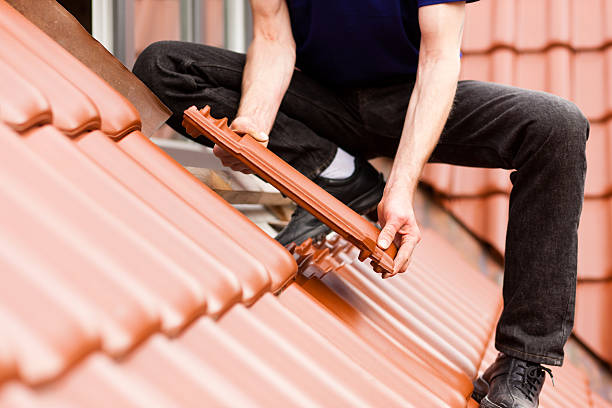
When it comes to maintaining, repairing, or replacing your roof, hiring the right professional is critical. A licensed roofing contractor is a professional who has met specific state or local requirements to perform roofing work legally. These requirements often include passing exams, demonstrating expertise in the field, and carrying liability insurance and worker’s compensation coverage. But why should you prioritize hiring a licensed contractor over others? Below are several compelling reasons.
What Defines a Licensed Roofing Contractor?
A licensed roofing contractor differs from an unlicensed one in terms of credentials and accountability.
- Legally Certified: They possess the necessary permits and certifications required by local regulatory bodies.
- Industry Expertise: They meet standards for knowledge and technical skill through testing or training.
- Insured: A licensed contractor typically carries liability insurance to protect their clients from unexpected damages.
- Workplace Safety Compliance: They follow safety protocols on-site to reduce risks during roof installations or repairs.
Top Reasons to Hire a Licensed Roofing Contractor
- Licensed contractors are well-versed in local building codes and regulations.
- This ensures that your roof installation or repair meets legal standards, preventing potential fines or future complications.
- Their training equips them with the skills needed for high-quality craftsmanship.
- Licensed professionals often use proper techniques and materials that align with industry standards.
- Most licensed contractors carry general liability insurance, which protects homeowners from financial burdens if something goes wrong during the project.
- Worker’s compensation coverage protects you from being held liable for injuries sustained by workers on your property.
- Working with a licensed roofer reduces stress because they are held accountable by regulatory boards.
- Licensing also serves as proof that they take their trade seriously.
- Many manufacturers’ warranties require work to be performed by licensed professionals to remain valid.
- Hiring an unlicensed contractor could void your warranty, leaving you without recourse if issues arise later.
- Licensed contractors are more likely to provide formal contracts outlining expected costs, timelines, and deliverables for transparency.
- This minimizes confusion and protects both parties during disputes.
Common Misconceptions About Hiring Unlicensed Contractors
Some homeowners may consider hiring an unlicensed roofer due to lower costs upfront.
| Misconception | Reality |
| Unlicensed contractors save money | Poor craftsmanship can lead to costly repairs down the line |
| Permits aren’t necessary | Projects without permits may lead to fines or problems when selling your home |
| Insurance isn’t important | You could be financially liable for accidents occurring on your property |
Final Thoughts
Hiring a licensed roofing contractor ensures professionalism, quality workmanship, compliance with regulations, and protection against liabilities. While it may cost slightly more upfront than hiring an unlicensed individual or company, the long-term benefits—such as durability of work performed and financial security—far outweigh these initial savings.
When planning any roofing project—whether minor repairs or full replacements—it is always wise to verify licensing credentials before making your decision.
Important Tips for Choosing a Minneapolis Roofing Company
When it comes to roofing projects, hiring a licensed roofing contractor ensures quality workmanship, compliance with local regulations, and peace of mind. Below are the key aspects you should know when considering hiring a licensed professional for your roofing needs.
What Does Being Licensed Mean for Roof Repair?
A licensed roofing contractor has met specific state or local requirements that demonstrate their competence and ability to perform roofing work.
- Completing training or coursework in roofing practices.
- Passing an exam covering safety standards, building codes, and technical skills.
- Providing proof of insurance and bonding.
- Maintaining proper credentials through renewal processes.
Hiring a licensed contractor ensures that the individual or company you are working with is committed to industry standards and legal compliance.
Benefits of Hiring a Licensed Roofing Contractor
- Adherence to Building Codes
Licensed contractors stay up-to-date with local building codes, ensuring your roof complies with all legal regulations. - Insurance Coverage
Most licensed contractors carry liability insurance and workers’ compensation coverage. This protects both the homeowner and the workers in case of accidents or property damage during the project. - Quality Assurance
Licensure signifies that a contractor has undergone rigorous vetting for skill, knowledge, and reliability. This reduces the risk of poor workmanship or substandard materials being used. - Access to Warranties
Many manufacturers offer warranties on materials only if they are installed by certified or licensed professionals. - Legal Protection
Working with an unlicensed contractor can lead to legal issues if something goes wrong during the project. A licensed professional provides accountability through formal agreements.
Red Flags When Evaluating Contractors
- Lack of license number displayed on advertisements or business cards.
- Reluctance to provide proof of licensure upon request.
- No insurance documentation available.
- Unusually low bids compared to market rates (this could indicate cutting corners).
Questions You Should Ask Before Hiring
| Question | Why It’s Important |
| Are you licensed in this state? | Confirms valid licensure in your location. |
| Can you provide proof of insurance? | Ensures protection against liabilities. |
| How long have you been in business? | Demonstrates experience and reliability. |
| Do you offer written contracts? | Guarantees transparency in project scope. |
Summary Checklist for Homeowners
- Verify their license number through your state’s licensing board website.
- Request references from previous clients.
- Confirm they have adequate experience handling projects similar to yours.
- Obtain multiple quotes from different contractors for comparison.
- Review online reviews but be cautious about relying solely on them without verification.
By taking these steps and focusing on hiring a qualified professional, you can safeguard your investment while ensuring your roof is installed or repaired properly according to industry standards.
Essential Licensing Requirements for a Roofing Contractor Minneapolis MN
When it comes to hiring a roofing contractor, ensuring they are properly licensed is one of the most important steps you can take. Licensing is a vital indicator of a contractor’s credibility, professionalism, and commitment to adhering to industry standards. To make informed decisions about hiring a professional roofer, it’s essential to understand the key licensing requirements and why they matter.
What Does a Roofing Contractor’s License Represent?
A roofing license signals that the contractor has met specific requirements established by state or local authorities.
- Knowledge Verification: Licensed contractors must pass exams that assess their expertise in roofing techniques, safety protocols, and building codes.
- Insurance Coverage: Most licensing authorities require proof of liability insurance and workers’ compensation insurance to protect homeowners from potential liabilities.
- Compliance with Local Codes: Licensed contractors are knowledgeable about local building regulations, ensuring that your roof installation or repair meets all legal standards.
- Continuing Education: In many states, contractors must participate in ongoing education programs to maintain their licenses and stay updated on evolving industry practices and technologies.
Differences in Licensing Requirements by State
It’s important to note that licensing requirements vary significantly from state to state.
| State | License Required? | Additional Requirements |
| California | Yes – CSLB C-39 License | Workers’ comp insurance; 4 years of journeyman-level experience required for application. |
| Texas | No statewide requirement | Some municipalities may mandate registration or licensing at the local level. |
| Florida | Yes – Roofing Contractor License | Must pass two-part exam (trade knowledge + business law), provide proof of financial stability. |
| New York | Varies by jurisdiction | Many counties require a Home Improvement Contractor license instead. |
Always verify your state or local area’s specific licensing guidelines before hiring a roofing professional.
Benefits of Hiring a Licensed Contractor
- Peace of Mind– A licensed contractor adheres to standardized practices, reducing risks associated with poor workmanship or code violations.
- Legal Protection– Most states have regulatory boards overseeing licensed contractors, offering homeowners recourse if disputes arise during the project.
- Safety Assurance– Licensed professionals follow strict safety guidelines designed to protect workers and property during installations or repairs.
- Higher Quality Materials Access– Many manufacturers only work with licensed contractors for warranty-protected installations.
- Increased Property Value– Properly installed roofs by qualified professionals ensure compliance with codes, which positively impacts property resale value.
Verifying Licenses Before Hiring
- Request their license number and verify it through your state’s official licensing portal or department website.
- Check for active insurance coverage tied to their license.
- Research any complaints filed against them through regulatory agencies like the Better Business Bureau (BBB).
By understanding these essential requirements and performing due diligence before hiring a roofer, you can safeguard your investment while ensuring high-quality results for your home improvement project.
Important Factors to Consider When Working with Non-Licensed Roofing Contractors
When it comes to hiring a roofing contractor, the decision to work with a licensed or non-licensed professional can significantly impact the quality of the work and your overall experience. While working with a non-licensed roofing contractor may seem like a cost-effective option initially, there are several critical factors you should consider before making that choice. Below, we outline key aspects to keep in mind when dealing with non-licensed roofing contractors.

Non-licensed contractors are not bound by state or local licensing requirements, which often include training, insurance coverage, and adherence to safety standards.
- Improper Installation– Without formal training or certification, they may lack the skills needed for proper roof installation or repairs.
- Safety Hazards– Non-compliance with workplace safety regulations might increase the likelihood of accidents.
Hiring a non-licensed roofing contractor could leave you without sufficient legal protections in case something goes wrong during the project.
| Issue | Licensed Contractor | Non-Licensed Contractor |
| Liability for Accidents | Covered by Insurance | May fall on homeowner |
| Work Warranty | Typically Provided | Often Not Offered |
| Legal Disputes | Easier to Resolve | Difficult and Costly |
Without proper licensing, it becomes challenging to hold non-licensed contractors accountable for subpar work or damages.
Licensed contractors typically carry both general liability insurance and workers’ compensation coverage.
- You may be financially responsible for repair costs if property damage occurs.
- You could be liable for medical costs if a worker is injured on your property.
Licensed contractors tend to work with vetted suppliers and use high-quality materials compliant with building codes.
- Non-licensed roofers might use cheaper, substandard materials that compromise durability.
- You risk needing frequent repairs due to poor workmanship.
Signs of poor-quality workmanship can include uneven shingles, improper sealing around vents, and visible gaps in flashing.
- Repairs associated with improper installation can accumulate significant costs.
- The roof’s lifespan may shorten due to inferior materials or poor craftsmanship.
- A lack of warranty on labor means you’ll bear additional repair costs yourself.
In many jurisdictions, only licensed professionals can secure necessary permits for roofing projects.
- Your project might proceed without appropriate permits.
- Future inspections could flag unpermitted work as a violation.
This could result in fines or force you to redo portions—or the entirety—of your roof at your expense.
Final Thought
Working with non-licensed roofing contractors comes with significant risks ranging from legal issues and liability concerns to compromised quality and increased long-term expenses. To protect your investment—and your peace of mind—consider whether short-term savings are worth these potential drawbacks before deciding who should handle your roofing needs. Always weigh these factors carefully before hiring any contractor for such an essential component of your home’s structure.
Understanding Roof Lifespan: Insights from a Roofer Minneapolis MN
The lifespan of your roof is one of the most critical factors to consider when assessing its overall performance and durability. While many homeowners assume their roof will last indefinitely, the truth is that various factors influence how long a roof can truly withstand the elements. From material type to installation quality and ongoing maintenance, understanding these variables can help you make informed decisions about your roofing system.
Key Factors That Impact Roof Lifespan
Several factors determine how long your roof will last.
- Metal roofs: 40–70 years
- Wood shakes or shingles: 25–40 years
- Clay or concrete tiles: 50–100 years
- Slate tiles: Over 100 years (with proper maintenance)
- Installation Quality
Proper installation is crucial for maximizing the longevity of your roof. Poorly installed roofs are more prone to leaks, sagging, and premature wear, cutting their lifespan significantly short. - Climate and Weather Conditions
Extreme weather events like storms, hail, high winds, and frequent temperature fluctuations can accelerate wear and tear on your roofing system. - Ongoing Maintenance
Regular inspections, cleaning gutters, and addressing minor repairs promptly can extend the life of your roof considerably.
Roofing Materials Comparison Table
| Material | Average Lifespan | Maintenance Level |
| Asphalt Shingles | 20–30 years | Moderate |
| Metal Roofing | 40–70 years | Low |
| Wood Shakes/Shingles | 25–40 years | High |
| Clay/Concrete Tiles | 50–100 years | Low |
| Slate Tiles | Over 100 years | Low/Moderate |
Tips to Maximize Your Roof’s Lifespan
- Schedule Regular Inspections– Professional inspections at least once a year help identify issues like loose shingles or leaks before they become major problems.
- Clean Gutters Frequently– Blocked gutters can lead to water pooling on your roof, increasing susceptibility to rot and structural damage.
- Trim Overhanging Branches– Prevent damage from falling branches or leaves that trap moisture on the roof surface.
- Address Repairs Promptly– Even small issues like cracked shingles or minor leaks should be fixed immediately to prevent further degradation.
- Invest in Quality Materials– Choosing durable materials appropriate for your climate ensures better resistance against environmental stressors.
When Should You Replace Your Roof?
Knowing when it’s time for a replacement is just as important as understanding a roof’s expected lifespan.
- Frequent leaks despite repeated repairs
- Visible sagging in areas of the roof
- Curled or missing shingles
- Excessive granule loss from asphalt shingles
- Mold or moss growth that compromises structural integrity
Delaying replacement beyond these warning signs could lead to costly damage in other areas of your home, such as walls or ceilings.
By taking proactive steps in maintaining your roofing system and understanding its expected durability based on materials used, you can ensure that it provides reliable protection for decades while minimizing unexpected expenses due to premature failure.
Understanding Roofing Warranties: Lifetime vs.
Roofing warranties are critical for protecting your investment and providing peace of mind. However, warranties can vary widely, and understanding the differences between lifetime and limited options is essential for making informed decisions. Below, we break down the key aspects of roofing warranties to help you determine which option best suits your needs.
Types of Roofing Warranties
- Covers defects in roofing materials.
- Typically offered by the company producing the roofing materials.
- Often includes terms like “limited” or “lifetime,” depending on the coverage period.
- Covers installation errors or poor workmanship.
- Provided directly by the contractor who installs your roof.
- Coverage periods may range from 1 year to over 10 years, depending on the contractor.
Lifetime Warranties: What They Really Mean
A “lifetime” warranty often sounds like a comprehensive guarantee, but its meaning may differ depending on the manufacturer or contractor.
- Coverage Period: In most cases, “lifetime” refers to the expected lifespan of your roof under normal conditions. For example, a shingle roof with a lifetime warranty might be covered for around 25-30 years.
- Proration: Lifetime warranties may become prorated after a certain number of years. This means that as time passes, you’ll receive less compensation for repairs or replacements.
- Transferability: Some lifetime warranties allow one-time transfers if you sell your home within a specified timeframe. Always check these terms if resale is in your plans.
Limited Warranties: A Cost-Effective Option?
Limited warranties provide basic protection but with reduced coverage compared to lifetime guarantees.
- Shorter Duration: Coverage may be capped at 10-20 years depending on material quality.
- Specific Restrictions: Coverage might apply only under certain conditions, such as proper maintenance or installation by certified contractors.
- Lower Costs: Limited warranties are often included at no additional cost when purchasing materials.
| Feature | Lifetime Warranty | Limited Warranty |
| Coverage Period | Typically 25-30+ years | 10-20 years |
| Proration | Often becomes prorated over time | Typically prorated from day one |
| Transferability | Sometimes transferable | Rarely transferable |
| Cost | Higher upfront costs | Lower initial costs |
- Roofing Material
- Budget
If upfront costs are a concern, limited warranties may be more appealing while still offering basic protection. - Climate and Weather Conditions
Homes in areas prone to extreme weather might benefit from extended coverage provided by lifetime options. - Future Plans for Your Home
If you plan to sell your home in a few years, consider whether transferable warranty coverage could add value during resale.
Common Exclusions in Roofing Warranties
- Damage caused by improper maintenance or neglect.
- Issues stemming from third-party installations (e. g. , solar panels).
- Natural disasters like hurricanes or earthquakes unless specifically covered under an extended policy.
By carefully reviewing warranty terms and understanding their limitations, you can make an informed decision about protecting your roof investment without unexpected surprises later on.
The Ultimate Winter Storm Preparedness Checklist for Your Roof
Winter storms can wreak havoc on your roof if it is not properly prepared. Snow, ice, wind, and freezing temperatures can lead to severe damage that may result in costly repairs or even structural issues. To help you safeguard your home during the cold months, here is a comprehensive winter storm preparedness checklist for your roof.
Inspect Your Roof Before Winter Hits
Before the first snowstorm arrives, conduct a thorough inspection of your roof.
- Loose or missing shingles: These can create entry points for water.
- Damaged flashing: Ensure flashing around chimneys, vents, and skylights is intact to prevent leaks.
- Sagging areas: A sagging roof could indicate structural weaknesses that won’t withstand heavy snow loads.
- Clogged gutters and downspouts: Clear debris to allow proper drainage during thaws.
If you are uncertain about identifying potential issues, consider hiring a licensed roofing contractor for a professional inspection.
Clean Your Gutters and Downspouts
One of the most important steps in preparing your roof for winter storms is ensuring proper drainage. Clogged gutters can cause ice dams—thick ridges of ice that prevent melting snow from draining off the roof.
– Water leaks into the interior of your home. – Damage to shingles and insulation. – Increased risk of mold growth due to trapped moisture.
Use a ladder to carefully remove leaves, sticks, and other debris from gutters. Flush downspouts with water if necessary to confirm they are clear.
Trim Overhanging Trees
Heavy branches laden with snow or ice pose a serious threat to your home’s roof. These branches can break under pressure and cause direct damage by puncturing shingles or creating dents. Trimming overhanging branches will also minimize the accumulation of leaves on your roof and in gutters.
Check Attic Ventilation and Insulation
Proper attic ventilation and insulation play key roles in preventing winter-related roofing problems such as condensation buildup and ice dams.
– There are no blockages in airflow within attic vents. – Insulation levels are adequate to maintain consistent indoor temperatures. – Warm air from inside does not escape into the attic space, which causes melting snow to refreeze at eaves.
A well-maintained attic can significantly extend the lifespan of your roofing system during harsh weather conditions.
Equip Yourself With Essential Winter Maintenance Tools
Having the right tools on hand can make all the difference when dealing with snow buildup on your roof after a storm strikes.
1.A snow rake designed specifically for rooftops with extended reach capabilities. 2.Calcium chloride deicer, which melts ice without damaging shingles (avoid rock salt as it may corrode materials). 3. Protective equipment like gloves and non-slip boots for personal safety during maintenance tasks.
Using these tools promptly after heavy snowfall helps alleviate excess weight on your roof while preventing moisture damage caused by melting ice.
Schedule Preventive Repairs Before Winter Arrives
Small issues left unaddressed—like minor leaks or cracked seals—can worsen quickly under extreme conditions like freezing rain or heavy snowfall.
1. Contact a licensed roofing contractor immediately. 2. Prioritize repairs before inclement weather further exacerbates damage risks. 3. Discuss long-term solutions like improved waterproofing measures if needed.
Regular maintenance performed ahead of time ensures peace of mind during even the harshest winters.
| Checklist Item | Why It’s Important |
| Inspect roofing materials | Identifies vulnerabilities before storms strike |
| Clean gutters | Prevents formation of damaging ice dams |
| Trim nearby tree branches | Reduces risk from falling debris |
| Check attic ventilation/insulation | Minimizes condensation & heat loss |
| Invest in appropriate tools | Facilitates safe post-storm cleanup |
By addressing these points proactively, you’ll shield both your home’s structure and wallet from unnecessary stress this winter season while maintaining safety as a priority.
- Key Signs You Need a Minneapolis Roofing Company for Immediate Repairs
- Top Reasons to Hire Licensed Roofing Services Minneapolis MN Experts
- The Importance of Regular Roof Inspections by a Trusted Roofer Minneapolis MN for Long-Lasting Protection
- Emergency Roof Repair: Finding a Reliable Roofing Contractor Minneapolis MN
- How Weather Impacts Your Roof and Why a Minneapolis Roofing Company is Essential
- Understanding Roof Repair and Replacement with a Trusted Minneapolis Roofing Company
- Effective Solutions to Common Roof Problems with a Trusted Roofing Contractor Minneapolis MN
- Essential Questions to Ask Before Hiring a Minneapolis Roofing Company
The Importance of Regular Roof Inspections by a Trusted Roofer Minneapolis MN for Long-Lasting Protection

A roof is one of the most critical components of a home, providing shelter and protection from external elements. However, over time, roofs are subjected to wear and tear due to weather fluctuations, aging materials, and environmental factors. Regular roof inspections are essential to ensure the longevity and integrity of your roofing system. By scheduling routine check-ups, homeowners can identify potential issues early on and take proactive measures to prevent costly repairs or replacements.
Benefits of Regular Roof Inspections
- Minor damages such as loose shingles or small leaks can escalate into significant structural problems if left undetected.
- An inspection helps uncover these issues before they compromise the strength of your roof.
- Identifying problems early avoids expensive emergency repairs in the future.
- Preventative maintenance often costs significantly less than restoring extensive damage caused by neglect.
- Routine inspections help extend the life of your roof by ensuring timely maintenance and repair work.
- This reduces the need for premature roof replacement due to avoidable complications.
- Damaged roofs can lead to poor insulation, which increases energy bills due to heat loss or gain.
- Inspections ensure that your roofing system functions efficiently, maintaining indoor comfort while reducing energy costs.
What Does a Roof Inspection Include?
| External Components | Internal Components |
| Shingles (missing or damaged) | Attic ventilation & insulation |
| Flashing around chimneys & vents | Signs of water penetration |
| Gutter systems (blockages/debris) | Mold or mildew growth |
| Roof valleys & edges | Structural integrity |
Professional inspectors utilize advanced tools such as infrared cameras and moisture detectors to identify hidden issues that may not be visible during a surface-level evaluation.
How Often Should You Schedule Inspections?
- After Severe Weather Events: High winds, hailstorms, or heavy snow can cause significant damage to roofs that may not be immediately apparent.
- Seasonal Maintenance: Conduct inspections at least twice a year – ideally in spring and fall – to address any seasonal wear.
- Older Roofs: If your roof is more than 10 years old, prioritize regular assessments as materials naturally degrade over time.
- Before Buying/Selling Property: Always request an inspection before making property-related decisions.
Why Hire Professionals for Roof Inspections?
- Knowledgeable in identifying subtle signs of damage that may go unnoticed by an untrained eye.
- Access to safety equipment ensures all parts of the roof are thoroughly inspected without risk.
- Comprehensive reports detailing current conditions along with recommendations for repairs or maintenance.
Routine roof inspections play a pivotal role in safeguarding your home’s value while ensuring long-lasting protection from external elements like rainwater infiltration, UV exposure, wind damage, etc. , ultimately giving you peace of mind over time.
Expert Roofing Services Minneapolis MN: Prevention and Early Intervention for Roof Leaks
Roof leaks are among the most common and potentially damaging issues homeowners face. Left unaddressed, even minor leaks can lead to significant structural damage, costly repairs, and health risks due to mold and mildew growth. Preventative measures, paired with early intervention, can save homeowners time, stress, and money in the long run.
Causes of Roof Leaks
Understanding the common causes of roof leaks can help homeowners take proactive steps to prevent them.
- Damaged or Missing Shingles: High winds, storms, or wear over time can cause shingles to crack or detach.
- Clogged Gutters: When gutters are filled with debris, water can back up onto the roof and seep into vulnerable areas.
- Improper Flashing Installation: Flashing acts as a seal around joints on your roof (e. g. , chimneys or skylights). Poor installation or deterioration can lead to water penetration.
- Poor Attic Ventilation: An unventilated attic can lead to moisture buildup that damages the underside of the roof.
- Aging Roofing Materials: Over time, roofing materials degrade due to exposure to weather elements such as UV rays, rain, and snow.
Early Signs of a Roof Leak
Catching a roof leak early is critical to preventing further damage.
- Water stains on ceilings or walls
- Dripping water during rainstorms
- Mold growth in corners or attics
- Peeling paint or wallpaper near ceilings
- Missing or damaged shingles visible from ground level
If you notice any of these issues, it’s essential to act promptly by consulting a professional roofing contractor.
Prevention Strategies
- A professional inspection every six months or after major storms helps identify potential problems early.
- Inspections allow contractors to address small issues before they develop into more extensive damage.
- Remove leaves and debris from gutters at least twice a year.
- Install gutter guards if clogging is a recurring issue.
- Have flashing inspected periodically for cracks or looseness.
- Replace old flashing when necessary to ensure it remains watertight.
- Branches that hang over your home pose risks during storms by dropping debris.
- Limiting shade also reduces moss growth on roofing materials.
The Importance of Prompt Repairs
Even with preventative measures in place, unexpected leaks may still occur due to severe weather events or unforeseen vulnerabilities in your roofing system.
| Action Item | Why It’s Important |
| Contact a Professional | Roof repairs done by experts ensure long-lasting results without further damage risks. |
| Avoid DIY Fixes | Temporary solutions may worsen underlying problems. |
| Document Damage | For insurance claims related to storm-related damages. |
By addressing leaks quickly through professional intervention rather than delaying repairs until they worsen significantly ensures not only peace-of-mind but also protects one’s investment permanently
Effective Roof Repair: Prevention and Early Intervention for Homeowners
Roof leaks are one of the most common issues faced by homeowners. Left unchecked, even minor leaks can lead to significant damage, including structural deterioration, mold growth, and increased energy costs. Proactively addressing roof leaks through prevention and early intervention is essential to protecting your home and maintaining its value.
Common Causes of Roof Leaks
Understanding what leads to roof leaks can help you prevent them.
– Damaged or Missing Shingles: Strong winds, hailstorms, or heavy rains can dislodge or damage shingles, exposing the underlayer to water penetration.
– Clogged Gutters: When gutters become blocked with leaves and debris, water can back up onto the roof surface and find its way into small cracks or gaps.
– Cracked Flashing Over time, exposure to weather elements can cause cracks or corrosion in this material.
– Poor Installation: A poorly installed roof may lack proper sealing or alignment of materials, leaving it vulnerable to water infiltration.
Steps for Preventing Roof Leaks
Taking a proactive approach to roof maintenance ensures small issues don’t evolve into serious problems.
- Professional inspections should be conducted annually or biannually (especially after severe weather events). Roofing experts can identify vulnerabilities that might go unnoticed by untrained eyes.
- Remove debris such as leaves and twigs from gutters regularly to ensure proper drainage.
- Replace missing shingles or fix cracked flashing as soon as they’re spotted.
- Trees with branches that hang over your roof can drop leaves or scratch roofing materials during storms.
- Adequate attic ventilation prevents moisture buildup that could lead to internal water damage.
Early Signs of a Roof Leak
- Water stains on walls or ceilings.
- Dripping water during rainstorms.
- Missing granules on shingles (visible in gutters).
- Mold or mildew growth in attic spaces.
- Damp insulation in crawlspaces or attics.
If you notice any of these signs, it’s critical to contact a professional roofing contractor immediately.
The Role of Early Intervention
| Type of Damage | Consequences | Cost Implications |
| Structural Decay | Weakens beams, joists, and rafters | Extensive repairs may be needed |
| Mold Growth | Affects indoor air quality; poses health risks | Can require costly remediation efforts |
| Energy Loss | Increased heating/cooling costs | Higher utility bills |
By fixing small issues early on—such as replacing damaged shingles—you protect your home from future complications that could strain your budget.
When to Call a Professional Roofing Contractor
While regular maintenance can be carried out by homeowners, certain situations require professional expertise: – Persistent leaks despite temporary repairs. – Large-scale shingle damage after major storms. – Deterioration around flashing areas like chimneys and skylights.
Professional contractors have the tools and experience needed for comprehensive leak detection and high-quality repairs tailored specifically for your roofing system type.
Preventive care combined with responsive action is key when dealing with roof leaks—protecting not only your investment but also ensuring the safety of everyone inside your home.
How to Recognize Roof Damage and When to Call a Minneapolis Roofing Company
Maintaining your roof is critical to ensuring the long-term protection of your home. One of the most important aspects of roof care is recognizing signs of damage that necessitate professional intervention. Ignoring minor issues can lead to costly repairs down the road or even compromise your home’s structural integrity. Below, we’ll explore key indicators of roof damage and why calling in a professional roofing contractor can save you time, money, and stress.
Common Signs of Roof Damage
Being proactive about spotting roof problems is essential.
- Water Stains on Ceilings or Walls: Interior stains can indicate a roof leak that has allowed water to penetrate into your home.
- Sagging Roof: A sagging or uneven roofline could point to structural issues caused by water damage or compromised supports.
- Granules in Gutters: If you notice granules from asphalt shingles accumulating in gutters, it’s a sign that your shingles are deteriorating.
- Moss or Algae Growth: While not always harmful immediately, moss and algae trapped on roofing materials can contribute to moisture retention and degradation over time.
- Visible Holes or Cracks: Any visible holes or cracks in roofing materials allow rainwater and outside elements to enter the home.
Why Professional Attention is Necessary
Certain types of damage may appear small but often require a skilled eye to assess the full extent. Roofing professionals bring expertise, tools, and safety measures that ensure the job is done effectively.
- Thorough Inspections: Experienced contractors know how to spot hidden vulnerabilities such as internal leaks, poor ventilation, or compromised flashing.
- Expert Repairs: Professionals use high-quality materials and advanced techniques to resolve issues permanently rather than offering temporary fixes.
- Safety Assurance: Climbing onto a roof involves significant risks; trained experts have the necessary equipment and training to work safely at heights.
When Should You Call a Roofing Contractor?
It’s best not to wait until small problems become large ones.
| Issue | Why Immediate Action Is Needed |
| Severe weather damage (e.g., hailstorms) | Prevent further exposure by addressing broken shingles quickly. |
| Persistent leaks | Avoid mold growth and structural weakening caused by prolonged moisture exposure. |
| Aging roofs (15+ years old) | Older roofs may require upgrades before leaking begins. |
Preventative Measures for Homeowners
- Regularly cleaning gutters
- Removing debris like branches from the roof
- Inspecting attic spaces for signs of water intrusion
- Scheduling biannual inspections with a qualified roofer
By recognizing potential problems early on and relying on professional expertise when needed, you can extend your roof’s lifespan while safeguarding both your home’s structure and value over time.
What to Look for in a Roofing Contractor Minneapolis MN Before Hiring
When it comes to hiring a roofing contractor, selecting the right professional is essential for ensuring quality work, long-term durability, and peace of mind. A poorly executed roofing job can lead to costly repairs and potential damage to your home. To help you make an informed decision, here are some key factors to consider when evaluating roofing contractors.
Verify Licensing and Insurance
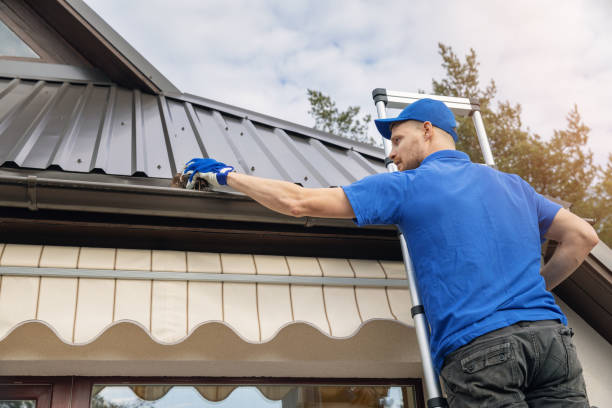
One of the first steps in hiring a roofing contractor is confirming they are properly licensed and insured. This protects both you as the homeowner and the contractor during the project.
- Licensing: Ensure the contractor has an up-to-date license that complies with your state or local requirements. This reflects their credibility and adherence to local building codes.
- Insurance Coverage: Confirm that they carry general liability insurance and workers’ compensation. This protects you from being held liable for any injuries or damages during the job.
Consider Experience and Expertise
Experience plays a significant role in delivering high-quality results. A contractor with years of hands-on experience will likely have encountered various challenges, equipping them with the skills needed for complex situations.
- Look for contractors who specialize in your specific type of roofing material (e. g. , shingles, tiles, metal).
- Ask how long they’ve been in business – companies with established reputations are typically more reliable.
- Request examples of completed projects or references from past clients.
Ask About Warranties
Reputable roofing contractors often provide warranties on both their workmanship and materials used. Understanding these guarantees can save you from unexpected expenses later.
- Workmanship Warranty: Covers installation errors or issues related to poor labor practices.
- Material Warranty: Offered by manufacturers, this covers defects in the materials themselves.
Be sure to get all warranty details in writing for future reference.
Evaluate Their Communication Skills
Effective communication is crucial when working on any home improvement project. Assessing a contractor’s responsiveness will give insight into how they handle customer concerns.
- Do they respond promptly to calls or emails?
- Are they transparent about timelines, costs, and potential challenges?
- Do they take time to answer all your questions thoroughly?
Clear communication ensures there are no misunderstandings throughout the project.
Review Online Reviews and References
Before making your final decision, take time to research online reviews on platforms such as Google My Business, Yelp, or Better Business Bureau (BBB).
- Timeliness
- Workmanship quality
- Cleanup after completion
- Customer service
Additionally, ask contractors directly for references so you can speak with previous clients about their experience.
| Criteria | Questions To Ask |
| Licensing & Insurance | Are you licensed? Can I see proof of insurance? |
| Experience | How many years have you been working in this field? |
| Warranties | What does your workmanship warranty cover? |
| Communication | How do you handle project updates? |
| References & Reviews | Can I speak with previous clients about their experience? |
Insist on Detailed Estimates
Obtaining multiple quotes from different contractors helps ensure you’re getting competitive pricing without sacrificing quality. However, don’t base your decision solely on cost—prioritize value over price.
- Labor costs
- Material costs
- Project timeline
- Payment schedule
This level of transparency helps avoid unexpected charges later on.
By taking these steps before hiring a roofing contractor, you’ll increase the likelihood of receiving top-notch service while protecting your investment in one of your home’s most critical components—the roof.
Innovative Roofing Solutions to Ensure Long-Term Water Damage Protection
Protecting your home from water damage begins with selecting the right roofing solutions. Innovative technologies and materials have revolutionized the roofing industry, making it possible to enhance durability, improve energy efficiency, and ensure long-term protection against water intrusion. Below are some of the most effective roofing solutions for addressing water-related concerns.
Modern Waterproofing Materials
Advanced waterproofing materials have become a cornerstone of durable roofing systems.
- Thermoplastic Polyolefin (TPO):A single-ply roofing membrane known for its reflective properties and resistance to UV rays, algae, and standing water.
- EPDM Rubber Roofing: A flexible and cost-effective material that offers excellent waterproofing capabilities. It is particularly useful in flat or low-slope roofs.
- Modified Bitumen Systems: Composed of layers of asphalt reinforced with fiberglass or polyester, these systems are durable and highly resistant to leaks.
Using high-quality waterproofing materials ensures your roof can withstand heavy rainfall and melting snow effectively.
Incorporating Effective Drainage Systems
Proper drainage is essential in preventing water from pooling on your roof.
- Gutter Guards: Prevent debris build-up in your gutters, allowing rainwater to flow freely away from your home.
- Scuppers: Ideal for flat roofs, these openings direct water into downspouts or away from the structure.
- Downspouts with Extensions: Ensure rainwater is directed far from the foundation of your home.
A well-designed drainage system reduces stress on the roof structure and prevents long-term water damage.
Seamless Roofing Systems
- Spray Polyurethane Foam (SPF) Roofing: This system involves applying a liquid foam layer that hardens into a seamless, watertight barrier.
- Liquid-Applied Membranes: These membranes are applied directly onto the roof surface and cure into a protective layer free of seams or gaps.
Both options work exceptionally well in minimizing leak risks by eliminating vulnerable joints or seams where water could potentially penetrate.
Advanced Coatings for Roof Longevity
- Silicone Coatings: Highly resistant to ponding water and UV deterioration. Works well for flat roofs prone to standing water issues.
- Acrylic Coatings: Reflective coatings that prevent heat buildup while offering additional protection against leaks.
- Elastomeric Coatings: Flexible coatings designed specifically for extreme temperatures and frequent exposure to moisture.
These coatings not only strengthen your roof but also help reduce energy consumption due to their reflective properties.
Comparison Table: Key Features of Innovative Roofing Solutions
| Solution Type | Benefits | Ideal For |
| TPO | Reflective surface; weather-resistant | Large commercial or residential roofs |
| EPDM | Cost-effective; flexible | Flat or low-slope roofs |
| Gutter Guards | Debris prevention; improved flow | Homes with trees nearby |
| SPF Roofing | Seamless; watertight | Flat roofs requiring extra insulation |
| Silicone Coatings | Ponding resistance | Areas with heavy rainfall |
Investing in innovative roofing solutions not only safeguards your home but also reduces repair costs over time by addressing potential vulnerabilities before they escalate into larger problems. By choosing advanced materials and systems tailored to meet specific climate challenges, homeowners can ensure their roofs remain resilient against prolonged exposure to moisture-related damage.
Why Working with Professional Roofing Contractors Ensures Quality Results
When it comes to maintaining or repairing your roof, opting for professional roofing contractors can make a significant difference. Here are several reasons why working with experienced professionals ensures quality results for your roofing needs.
Expertise and Experience
Professional roofing contractors possess specialized training and years of experience in handling various roofing systems.
- Accurately assess the condition of your roof.
- Recommend appropriate solutions tailored to your specific needs.
- Handle complex repairs or installations efficiently and safely.
Unlike DIY approaches, professional contractors understand the nuances of different materials and roofing structures, ensuring long-lasting results.
Use of High-Quality Materials
Reputable roofing contractors have access to premium-quality materials that may not be readily available to homeowners at retail stores.
| Material Type | Benefits | Examples |
| Asphalt Shingles | Cost-effective, durable | Architectural shingles |
| Metal Roofing | Long lifespan, energy-efficient | Steel, aluminum |
| Synthetic Roofing | Lightweight, eco-friendly | Plastic polymer shingles |
| Clay or Concrete Tiles | Weather-resistant, aesthetic appeal | Spanish tiles |
Using high-quality materials ensures that the roof withstands harsh weather conditions while maintaining aesthetic appeal.
Adherence to Safety Standards
Roofing work often involves inherent risks such as heights and heavy equipment handling. Professional contractors are trained in proper safety protocols and equipped with the right tools to minimize these risks.
- Reduced likelihood of accidents during the project.
- Compliance with local building codes and regulations.
- Protection for both workers and homeowners through liability insurance.
Attempting roof repairs without this expertise could lead to costly mistakes or injuries.
Time Efficiency
Hiring a professional roofing contractor saves time by streamlining the entire process.
- Comprehensive inspection tools.
- A clear project timeline from start to finish.
- Skilled labor capable of completing tasks promptly.
Without proper training, DIY attempts often take longer due to trial-and-error methods or a lack of resources.
Warranty Coverage
One significant benefit when working with professional contractors is access to warranties for both labor and materials. This ensures that any unforeseen issues post-installation or repair are addressed without additional costs.
- Manufacturer’s Warranty: Covers defects in roofing materials.
- Workmanship Warranty: Protects against installation errors by the contractor.
These warranties provide homeowners peace of mind knowing their investment is protected.
Customized Solutions
Every home has unique requirements based on its structure, design, and location-specific weather patterns.
- Installing proper sealing systems for areas prone to water pooling.
- Recommending energy-efficient options like reflective coatings or solar panels.
- Addressing ventilation concerns by improving airflow through proper attic insulation.
Such tailored approaches ensure optimal performance while enhancing overall durability.
Final Thoughts
Choosing a professional roofing contractor is an investment in quality workmanship, safety, and long-term performance. By leveraging their expertise, premium materials, adherence to safety protocols, and warranty offerings, you can protect one of your home’s most critical components—the roof—while avoiding unnecessary stress or expenses down the road.
Why Working with Professional Roofing Contractors Ensures Quality Results
When it comes to maintaining, repairing, or replacing your roof, the quality of the work can have long-term implications for the structural integrity of your home. Hiring a professional roofing contractor ensures that you not only receive superior craftsmanship but also benefit from their expertise, tools, and adherence to industry standards. Below are key reasons why working with professional roofing contractors is integral to achieving quality results.
Expertise and Experience
Professional roofing contractors bring years of experience and specialized training to the job.
- Identify underlying issues that may not be immediately visible, such as hidden water damage or poor ventilation.
- Recommend cost-effective solutions tailored to your specific roof type and materials.
- Execute complex projects safely and efficiently.
An experienced contractor will also stay updated on the latest roofing techniques and materials, ensuring that you receive modern, high-quality services.
Access to Quality Materials
Professional contractors have access to premium-grade materials that may not be readily available at local hardware stores.
- Enhancing the durability and lifespan of your roof.
- Providing better resistance against weather conditions, such as heavy rain, snow, or UV rays.
- Reducing maintenance costs over time.
Additionally, many professionals partner with trusted manufacturers, allowing them to offer warranties on both workmanship and materials.
Safety Compliance
Roofing work comes with significant risks. From working at heights to handling tools like nail guns or saws, safety should always be a priority.
- Following OSHA (Occupational Safety and Health Administration) guidelines.
- Using proper safety equipment such as harnesses and helmets.
- Training their teams on best practices for accident prevention.
By hiring a professional roofer, you minimize risks associated with injuries or property damage during the project.
Time Efficiency
Roofing projects can be time-consuming if handled improperly or without experience.
- Accurately estimating timelines based on project scope.
- Using advanced tools and techniques for faster installations or repairs.
- Coordinating teams effectively to complete tasks promptly without compromising quality.
This ensures minimal disruption to your daily routine while delivering excellent results within an agreed timeframe.
Cost Savings in the Long Run
| Factor | DIY/Unlicensed Workers | Professional Roofing Contractors |
| Material Costs | Higher – May purchase retail rates | Lower – Access wholesale rates |
| Repair Frequency | Frequent due to improper fixes | Minimal due to durable workmanship |
| Warranty Coverage | None | Material & labor warranties offered |
Investing in professionals reduces future expenses tied to repeated repairs or premature replacements.
Adherence to Building Codes
Local building codes dictate how roofs should be installed or repaired based on factors like climate conditions and structural requirements.
- Understanding regional regulations thoroughly.
- Securing required permits for roofing projects.
- Passing inspections from local authorities with ease.
Non-compliance can lead to fines or having parts of your roof redone — an issue avoided by entrusting licensed experts with the work.
Peace of Mind
- They provide clear estimates outlining labor costs, material prices, and timelines upfront.
- You can trust them for follow-up services if any issues arise post-installation or repair.
By relying on professionals who stand behind their work with guarantees or warranties, homeowners gain confidence knowing their property is in safe hands.
For long-lasting protection against wear-and-tear while maintaining aesthetic appeal, partnering with qualified roofing contractors is a decision you won’t regret.
- Key Signs You Need a Minneapolis Roofing Company for Immediate Repairs
- Top Reasons to Hire Licensed Roofing Services Minneapolis MN Experts
- The Importance of Regular Roof Inspections by a Trusted Roofer Minneapolis MN for Long-Lasting Protection
- Emergency Roof Repair: Finding a Reliable Roofing Contractor Minneapolis MN
- How Weather Impacts Your Roof and Why a Minneapolis Roofing Company is Essential
- Understanding Roof Repair and Replacement with a Trusted Minneapolis Roofing Company
- Effective Solutions to Common Roof Problems with a Trusted Roofing Contractor Minneapolis MN
- Essential Questions to Ask Before Hiring a Minneapolis Roofing Company
Emergency Roof Repair: Finding a Reliable Roofing Contractor Minneapolis MN

A roof serves as one of the most critical components of your home, sheltering you from the elements and contributing to your property’s structural integrity. However, not all roofing issues are immediately apparent, and neglecting urgent repairs can lead to costly damage. Spotting potential problems early can save time, money, and stress.
Common Signs of Urgent Roofing Problems
- Water stains on ceilings or walls often indicate a leaking roof.
- Dripping water during or after rainfall requires immediate attention.
- Shingles protect the roof’s underlayment; missing pieces expose your home to moisture damage.
- Look for cracked, curled, or broken shingles that compromise your roof’s integrity.
- A sagging roof could signal structural failure due to water damage or decay.
- This issue demands professional evaluation to prevent further collapse.
- Excessive shingle granules in gutters may mean the shingles are nearing the end of their lifespan.
- This wear exposes your roof to greater risks during severe weather.
Steps To Assess If Your Roof Needs Immediate Attention
- Inspect After Severe Weather
Look for obvious damage such as broken shingles, fallen tree limbs, or punctures caused by hailstones and debris. - Check Your Attic
Use a flashlight in dark areas of the attic to detect damp insulation, sagging wood structures, or visible water trails. - Examine Flashing and Seals
Ensure that flashing around chimneys and vents is intact. Gaps in these areas often lead to leaks. - Evaluate Energy Bills
An unexplained spike in energy costs could stem from poor insulation due to roofing damage.
Why Timeliness Matters for Roof Repairs
| Problem | Potential Consequences |
| Mold Growth | Moisture seepage encourages mold formation inside walls |
| Structural Deterioration | Prolonged exposure weakens beams and supports |
| Higher Repair Costs | Minor problems escalate into major renovations |
Addressing these issues quickly minimizes long-term expenses while maintaining safety standards for your family and property.
Preventive Measures To Minimize Roofing Emergencies
- Schedule regular professional inspections (ideally twice per year).
- Keep gutters clean and free from obstructions like leaves and debris.
- Trim tree branches near your home that may fall during storms.
- Replace aging roofs proactively before problems arise.
By staying vigilant and addressing problems early on, you can extend the life span of your roof while avoiding unnecessary repair costs—an essential step toward ensuring a safe living environment for years ahead.
How to Identify When Your Roof Needs Emergency Replacement and Help from a Minneapolis Roofing Company
A roof is one of the most critical components of your home, providing protection against weather, structural stability, and insulation. However, certain situations demand immediate action to replace or repair it before further damage occurs. Here’s how to identify when your roof needs emergency replacement and professional assistance.
Key Signs You Need a Roofer Minneapolis MN to Address Roof Issues
- Water dripping from the ceiling or visible stains on walls are serious red flags. This often indicates a breach in the roofing material allowing water infiltration.
- A sagging roofline is a critical indicator of compromised structural integrity. This could be caused by water damage, rot, or weakened supports.
- If you’ve noticed shingles lying on the ground around your home or see bare patches on your roof, it’s time to contact a professional immediately.
- Any visible punctures in the roofing surface pose a significant risk for water entry and additional damage to framing and insulation.
Top Reasons You Might Need Emergency Roofing Services Minneapolis MN
| Cause | Description |
| Storm Damage | Strong winds, hailstones, and heavy rains can weaken and dislodge shingles |
| Aging Roof | Materials like asphalt shingles deteriorate over time (typically 20–30 years) |
| Poor Maintenance | Neglected roofs are prone to leaks, moss growth, and structural weakness |
| Falling Debris | Tree limbs or other falling objects may cause cracks or holes |
Why Professional Roof Repair Help Is Essential
- Safety First: Professionals have the equipment and expertise needed to safely navigate roofs in emergencies.
- Accurate Assessment: An experienced roofer can accurately identify both visible issues and hidden damage.
- Timely Repairs: Certified contractors use high-quality materials and techniques for swift yet durable repairs.
- Warranty Protection: Most professional services offer warranties on their work for added peace of mind.
Steps to Take While Waiting for Professional Assistance
- Cover exposed areas with waterproof tarps to prevent further water penetration.
- Place buckets under active leaks inside your home to minimize interior water damage.
- Avoid climbing onto your roof unless absolutely necessary; wait for experts.
Monitoring your roof condition regularly can help avoid emergencies altogether by keeping minor issues from escalating into major ones needing replacement services overnight. Prioritize inspections after severe weather events or if you notice any warning signs listed above so that you’re always proactive about maintaining functionality and safety within your home’s structure.
Immediate Signs Indicating You Have a Serious Roof Emergency
A serious roof emergency can arise unexpectedly, leaving you with potential property damage and safety concerns. Identifying these urgent issues early can help prevent further complications and reduce repair costs. Below are some immediate signs that indicate you may have a roofing emergency requiring swift action.
Visible Damage to Roofing Materials
- Missing shingles: High winds or storms often cause shingles to detach, leaving your roof vulnerable to water intrusion.
- Cracked or curling shingles: These may indicate aging or weather-related damage requiring attention.
- Broken tiles (for tile roofs): Broken or displaced tiles can expose the underlayment, increasing the risk of leaks.
Water Leaks and Stains Inside Your Home
- Active leaks during rainstorms: Water dripping from ceilings or running down walls is an urgent issue.
- Stains or discoloration on ceilings/walls: These could signal a hidden leak that has been compromising your home over time.
- Peeling paint or wallpaper: This often accompanies prolonged exposure to moisture caused by undetected leaks.
Structural Sagging in Roof Areas
If parts of your roof appear uneven, drooping, or sagging, this could suggest serious structural issues like weakened supports caused by water damage or excessive weight from debris build-up.
| Potential Causes of Roof Sagging | Possible Issues |
| Pooling water on flat roofs | Stress on materials leading to weakness |
| Snow/ice accumulation | Excessive weight causing structural strain |
| Rotten wooden supports | Decomposition due to prolonged moisture |
Prompt professional evaluation is necessary if sagging is noticed.
Signs After Severe Weather
- Hail impact marks: Dents on shingles, gutters, and flashing indicate hail damage that requires repair.
- Debris accumulation: Fallen branches and debris can puncture roofing materials or block drainage systems.
- Detached flashing around vents/chimneys: Missing flashing leaves critical areas exposed to water penetration.
Mold Growth and Musty Smells
Noticeable mold growth in your attic or the presence of musty odors could point to hidden moisture problems caused by a damaged roof. Mold not only affects air quality but also signals long-term exposure to water infiltration.
What Should You Do If You Spot These Signs?
If any of these immediate signs are present, it’s crucial to take action quickly: 1. Document all visible damages with photographs. 2. Use temporary measures (like tarps) if it’s safe and feasible to minimize further harm. 3. Contact a licensed roofing contractor immediately for an inspection and emergency repairs.
Delaying repairs in the face of these warning signs increases risks such as extensive property damage, higher repair costs, and even safety hazards for occupants. By recognizing these urgent issues promptly, you can protect both your home and your investment effectively.
Interior Warning Signs That Could Signal Major Roofing Issues
Understanding the interior warning signs of roofing problems is crucial for addressing potential issues before they escalate into costly repairs. Your home’s interior often provides subtle, yet significant, clues that your roof may be compromised. Ignoring these warning signs can lead to water damage, mold growth, and structural deterioration. Below are the key indicators to watch for and why they matter.
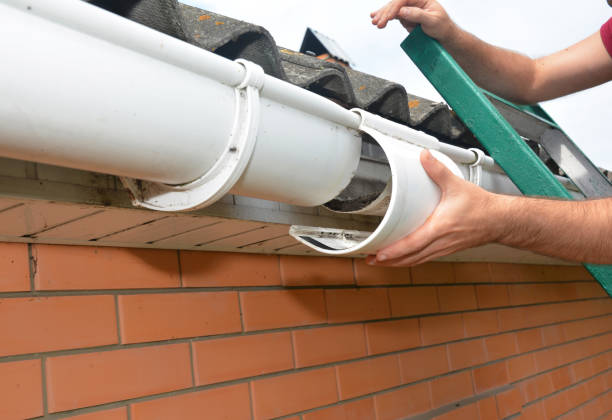
1. Water Stains on Ceilings and Walls
One of the most common interior signs of a roofing issue is water stains. These stains often appear as discolored patches on ceilings or walls and may indicate:
– Leaking Roof or Flashing: A breach in your roof or incorrectly installed flashing may be letting water seep through.
– Condensation Build-Up: Poor attic ventilation could result in moisture accumulation that eventually seeps into your home’s interior surfaces.
If you notice recurring water stains, it’s essential to investigate their source promptly by consulting a roofing professional.
2. Peeling Paint or Wallpaper
Peeling paint or bubbling wallpaper on walls can signify excess moisture entering your home. This often results from:
– Leaks in the roof allowing rainwater to penetrate insulation and drywall. – An improperly sealed attic that traps humid air, leading to condensation.
A roofing repair expert can help identify whether these issues stem from roof damage or inadequate insulation.
3. Sagging Ceilings
A sagging ceiling is a severe warning sign that water has pooled over time due to a persistent leak in the roofing structure. This problem requires urgent attention as it may compromise the overall structural integrity of your home.
| Potential Cause | Necessary Action |
| Prolonged Roof Leak | Immediate assessment by a contractor |
| Compromised Insulation | Replacing damaged areas |
4. Mold or Mildew Growth Indoors
The presence of mold or mildew inside your home—particularly in areas like attics, corners of rooms, or closets—may be directly related to a roofing issue such as:
– Broken Shingles: Missing shingles enable moisture intrusion. – Roof Ventilation Failures: Poor airflow creates an environment conducive for mold growth.
Long-term exposure to mold can also pose health risks, making this an issue that requires swift resolution.
5. Dripping During Heavy Rainstorms
If you notice dripping water indoors during rainstorms—even if it’s minor—this is no small matter. Such leaks might indicate gaps in your roofing materials, improperly sealed joints, or aging shingles unable to withstand heavy precipitation.
What Should You Do If You Spot These Signs?
- Document Evidence: Take photos of the affected areas inside your home for reference when contacting professionals.
- Inspect Other Areas: Check other parts of your house (such as attics) for additional signs of damage.
- Call a Roofing Specialist Promptly: Reach out to licensed contractors who can perform thorough inspections and recommend effective solutions.
- Perform Preventative Maintenance: Even if the problem seems minor, routine maintenance can prevent small damages from worsening over time.
By addressing interior warning signs early on, homeowners can protect their property from further harm while potentially saving thousands in repair costs down the line.
Interior Warning Signs That Could Signal Major Roofing Issues
Your roof plays a critical role in protecting your home, but the first signs of trouble often appear inside rather than outside. Ignoring interior warning signs could lead to costly repairs or even structural damage. Here are key indicators that may signal major roofing issues requiring immediate attention.
1. Water Stains on Ceilings and Walls
- Leaks from damaged shingles or flashing.
- Poor attic ventilation leading to moisture buildup.
- Cracks in the roof membrane.
If you notice these stains, it’s essential to investigate further to prevent worsening water damage.
2. Peeling Paint or Wallpaper
Excessive moisture from a leaking roof can cause paint or wallpaper to peel, bubble, or crack. This happens because water seeps into your walls and compromises their integrity over time. Look for these issues around ceilings, corners, and exterior walls where leaks may be concentrated.
3. Mold and Mildew Growth
- Gaps in the roof.
- Faulty attic insulation allowing condensation buildup.
Mold can pose serious health risks and should be addressed promptly along with any underlying roofing concerns.
4. Sagging Ceilings
- Persistent leaks causing the ceiling material to weaken.
- Structural damage within the attic due to trapped moisture.
If left unresolved, this could lead to ceiling collapse and significant property damage.
5. Dripping Water Inside the Home
- Missing shingles after a storm.
- Large gaps around vents or chimneys.
- Severe deterioration of underlayment beneath roof tiles.
This type of leak requires urgent professional intervention to prevent further harm.
Table: Common Interior Signs vs Possible Roofing Problems
| Interior Sign | Likely Roof Issue |
| Water stains on ceilings | Leaking shingles or flashing |
| Peeling paint/wallpaper | Moisture infiltration from poor sealing |
| Mold/mildew | Condensation due to insufficient ventilation |
| Sagging ceilings | Long-term leaks compromising structural integrity |
| Dripping water indoors | Severe gaps in roofing material |
Steps You Should Take
- Inspect Your Attic: Look for wet insulation, visible mold growth, or daylight peeking through the roof structure.
- Document Damage: Take photos of affected areas for insurance purposes and professional consultations.
- Contact a Roofing Professional: A licensed contractor can provide a comprehensive inspection and recommend appropriate solutions.
- Address Repairs Promptly: Delaying repairs increases risks like mold proliferation and structural degradation.
By staying vigilant about these interior warning signs, homeowners can mitigate severe damages while extending their roof’s lifespan effectively.
When to Call for 24/7 Roofing Services in Critical Situations
Roofing emergencies can arise without warning, posing risks to both property and personal safety. Identifying when to call for 24/7 roofing services is essential to prevent further damage and ensure the integrity of your home or building. Below, we break down key scenarios where round-the-clock professional assistance is crucial.
Severe Storm Damage
After extreme weather events such as heavy storms, hail, or hurricanes, roofs may sustain significant damage that requires immediate attention. Here are some examples of storm-related issues that warrant emergency services:
– Fallen Trees or Large Branches: If a tree or branch has punctured your roof, it creates an instant structural hazard. Immediate repairs are necessary to stabilize the roof and prevent leaks or collapses.
– Visible Holes or Gaps: High winds can dislodge shingles or create openings in your roof that expose the interior of your home to rainwater.
– Heavy Roof Debris: Excessive debris buildup from fallen materials can strain the roof’s structure and lead to immediate risks.
Active Water Leaks Inside Your Home
One of the clearest indicators that you need 24/7 roofing services is when water leaks inside your home become noticeable. Signs include:
– Water dripping from ceilings or light fixtures during rainstorms.
– Pools of water forming in your attic space.
– Wet stains appearing on walls and ceilings.
If left unaddressed, these leaks can cause mold growth, ruin insulation materials, and weaken wood framing inside your home.
Compromised Structural Integrity
Certain situations could compromise the structural soundness of your roof entirely, creating unsafe conditions:
– Sagging Roof Sections: If parts of your roof appear to sag inward, this might indicate compromised support beams due to prolonged moisture exposure or age-related wear. – Cracked Rafters: Visible cracking in rafters during inspections signals a need for immediate reinforcement through professional care.
A structural issue often requires rapid assessment by roofing experts with specialized tools and experience.
Fire Damage Affecting the Roof
Fire damage—whether from wildfires, chimney malfunctions, or electrical accidents—can leave parts of a roof charred and unstable. Professionals who offer emergency services can evaluate fire-damaged sections quickly and recommend temporary fixes until permanent repairs are feasible.
| Scenario | Why 24/7 Help is Necessary |
| Severe storm impact | Prevents ongoing water intrusion & potential collapse |
| Sudden active leaks | Stops interior damage & mitigates mold growth risks |
| Structural concerns | Restores stability before further issues develop |
| Fire-related roof damage | Secures damaged areas from spreading vulnerabilities |
Unpredictable Animal Intrusions
Occasionally, wildlife such as raccoons or squirrels might gain entry through weak points in a roof’s structure. If animals have penetrated into attic spaces via broken tiles or vents overnight, you’ll need emergency assistance both for repair work and pest removal coordination.
Benefits of 24/7 Roofing Services
Calling for emergency roofing services not only minimizes potential loss but also gives homeowners peace of mind knowing their property is safe from worsening problems. Some benefits include: – Availability during non-business hours ensures quick response times. – Temporary protective measures—like tarping—secure vulnerable areas until full repairs are completed. – Access to experienced professionals who understand local codes and weather patterns.
By recognizing when professional intervention is required around-the-clock, homeowners can better safeguard their properties against unexpected challenges while avoiding costly future repairs.
- Key Signs You Need a Minneapolis Roofing Company for Immediate Repairs
- Top Reasons to Hire Licensed Roofing Services Minneapolis MN Experts
- The Importance of Regular Roof Inspections by a Trusted Roofer Minneapolis MN for Long-Lasting Protection
- Emergency Roof Repair: Finding a Reliable Roofing Contractor Minneapolis MN
- How Weather Impacts Your Roof and Why a Minneapolis Roofing Company is Essential
- Understanding Roof Repair and Replacement with a Trusted Minneapolis Roofing Company
- Effective Solutions to Common Roof Problems with a Trusted Roofing Contractor Minneapolis MN
- Essential Questions to Ask Before Hiring a Minneapolis Roofing Company
How Weather Impacts Your Roof and Why a Minneapolis Roofing Company is Essential
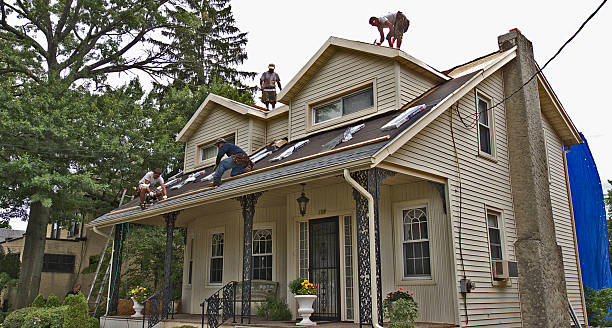
Your roof serves as the first line of defense against the elements. From blazing summer heat to torrential downpours, your roof endures constant exposure to changing weather conditions. Understanding how weather affects your roof and investing in weather-proof solutions can significantly extend its lifespan and safeguard your home.
Common Weather-Related Roof Challenges
- Rain and Moisture:
Continuous exposure to rain can lead to water infiltration, mold growth, and rotting of structural components if not adequately addressed. Poor drainage or clogged gutters can worsen these issues. - UV Rays and Heat:
Prolonged sun exposure can weaken roofing materials over time, causing them to crack, warp, or lose their protective properties. This is especially true for asphalt shingles and other materials that degrade under intense heat. - Snow and Ice:
Heavy snow accumulation can strain your roof’s structure, while ice dams may form at the edges, preventing proper water runoff. This increases the risk of leaks during thawing cycles. - Wind Damage:
Strong winds may loosen or remove shingles entirely, leaving parts of your roof vulnerable to further damage from rain or debris. - Hailstorms:
Hail can cause dents in metal roofs or cracks in shingles, which compromise the surface’s ability to repel water effectively.
Benefits of Weather-Proof Roofing Solutions
- Enhanced Protection Against Elements
Advanced roofing materials such as metal panels, impact-resistant shingles, or slate tiles are designed to withstand extreme conditions like hailstorms and heavy winds. - Improved Energy Efficiency
Reflective roofing materials reduce heat absorption during summer months, keeping your home cooler and lowering energy bills. - Minimized Maintenance Costs
Weather-proof roofs often require fewer repairs since they resist damage from harsh climates better than traditional systems. - Increased Longevity
High-quality materials ensure that your roof remains intact for decades with minimal wear-and-tear from environmental factors.
Features To Look For In a Weather-Proof Roof
| Feature | Benefit | Example Materials |
| Impact Resistance | Reduces damage from hailstones | Impact-rated shingles |
| Thermal Reflectivity | Lowers indoor temperatures during hot summers | Cool metal roofing |
| Water Resistance | Prevents leaks caused by heavy rains | Rubber membranes |
| High Wind Tolerance | Withstands strong gusts without detaching | Standing seam metal roofs |
Partnering with Professionals for Weather-Proof Solutions
- Identify vulnerabilities in current roofing systems.
- Recommend suitable products based on regional climate.
- Install proper insulation and ventilation systems.
- Perform precise work that complies with building codes.
How Extreme Weather Affects Your Roof: Insights from a Roofing Contractor Minneapolis MN
The roof of your home is the first line of defense against nature’s unpredictable forces. High winds, hailstorms, and extreme weather conditions not only test the resilience of your roof but can also lead to costly damage if it’s not built or maintained to withstand these challenges. Understanding how these elements affect your roof’s integrity is essential for homeowners who want to protect their property and investment.
How High Winds Affect Your Roof
High winds can cause significant damage to roofing systems in several ways: – Shingle Damage: Strong winds can lift or tear shingles, leaving the underlayment and decking exposed to water infiltration. – Debris Impact: Winds often carry branches and debris that can strike the roof, leading to punctures or dents. – Edge Weakness: The edges of a roof are particularly vulnerable. Improperly secured shingles or materials at these points may loosen or fly off completely during high winds.
To reduce wind-related risks: – Ensure proper installation and secure fastening of shingles. – Use wind-resistant materials rated for high-speed gusts. – Regularly inspect roof edges for signs of wear or looseness.
The Dangers Hailstorms Pose
Hailstones vary in size but even small ones can wreak havoc on a roof over time. Their impact can: – Crack Shingles: Asphalt shingles may crack under repeated blows from hailstones. – Granule Loss: The protective granules on shingles may wear off due to hail, reducing UV protection and shortening the lifespan of your roof. – Structural Weakening: In severe cases, large hailstones can compromise structural components, creating weak spots that allow leaks.
For added protection against hail: 1. Install impact-resistant roofing materials such as Class 4-rated shingles. 2. Schedule periodic inspections after major hail events to catch potential damage early.
Extreme Weather and Temperature Fluctuations
Extreme weather conditions such as heavy snowfalls, ice storms, or heatwaves test your roof over time: – Thermal Expansion: Extreme heat causes materials like metal or asphalt to expand, potentially leading to cracks when they cool down rapidly at night. – Ice Dams: In cold climates, melting snow refreezes at eaves and gutters forming ice dams that prevent proper drainage. This results in water backing up under shingles causing leaks. – Water Saturation: Prolonged rains saturate roofing materials which could lead to mold growth or structural rot if left unchecked.
Combatting extreme weather impacts involves:
| Preventative Measure | Benefit | |——————————-|———————————-| | Proper Attic Ventilation | Regulates temperature changes | | Installing Ice & Water Shields| Prevents water infiltration | | Routine Roof Maintenance | Identifies weaknesses early |
Why Proactive Measures Matter
The forces of nature are inevitable, but their impact on your home doesn’t have to be devastating. A well-maintained roof designed with durable materials ensures greater resilience against high winds, hailstorms, and other harsh conditions. Partnering with professional roofing contractors who understand regional climate challenges is key to safeguarding your home’s structural integrity for years ahead.
How High Winds, Hailstorms, and Extreme Weather Affect Your Roof According to a Roofer Minneapolis MN
Weather can significantly impact the condition and longevity of your roof. High winds, hailstorms, and other extreme weather events often result in damage that compromises your roof’s integrity over time. By understanding these effects, homeowners can take proactive measures to protect their homes and avoid costly repairs.
Effects of High Winds on Your Roof
High winds are among the most common causes of roof damage. They often create pressure imbalances that can lift shingles or even dislodge entire sections of roofing. The edges and corners of roofs are particularly vulnerable to this type of damage.
Key issues caused by high winds include:
– Shingle Removal: Strong gusts may lift shingles, leaving the underlayment exposed to moisture infiltration. – Debris Impact: Flying objects like tree branches or loose materials can puncture or damage roofing material. – Structural Strain: Persistent strong winds can weaken fasteners and structural components over time.
Hailstorm Damage
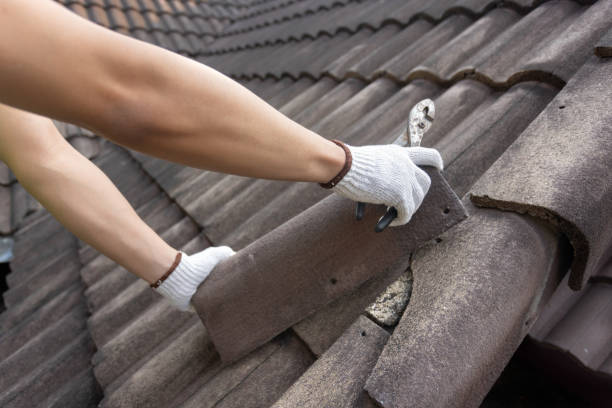
Hail is another significant threat to roof durability. The extent of damage from a hailstorm depends on the size, density, and speed of the hailstones, as well as the age and material of your roof. Common consequences include:
– Dents in Roofing Materials: Metal roofs may develop dents that reduce their efficiency or lifespan. – Cracked Shingles: Asphalt shingles may crack or lose granules during a heavy hailstorm. – Compromised Waterproof Layers: Hail damage often leads to leaks by penetrating waterproof membranes.
The Long-Term Effects of Extreme Weather
Extreme weather conditions such as heavy snowfall, heatwaves, or thunderstorms also contribute to long-term wear: – Snow buildup adds weight to your roof structure and may cause sagging. – Intense sunlight deteriorates asphalt shingles by breaking down their protective coating. – Heavy rain can exploit small vulnerabilities in flashing or seals, leading to water ingress.
| Weather Condition | Common Damages | Recommended Action |
| High Winds | Shingle lifting; edge weakness | Inspect edges; secure loose areas |
| Hailstorms | Cracks; granule loss | Replace damaged shingles |
| Heavy Snowfall | Roof sagging | Regular snow removal |
| Intense Heat | Asphalt breakdown | Apply reflective coatings |
How You Can Mitigate These Risks
To minimize the effects of harsh weather conditions on your roof’s integrity:
1. Schedule regular inspections with a licensed roofing contractor to identify vulnerabilities early. 2. Invest in high-quality materials resistant to wind uplift, moisture infiltration, and temperature fluctuations. 3. Install proper flashing around chimneys, skylights, vents, and valleys for enhanced leak prevention. 4. Trim trees near your home to prevent branches from striking your roof during storms.
By understanding how different weather conditions impact roofing systems and taking preventative steps with professional guidance, you can ensure that your home remains well-protected year-round from potential damages caused by nature’s forces.
Smart Tips for Choosing the Best Roofing Services Minneapolis MN Has to Offer
Selecting the right roofing contractor for your home is a critical decision that can impact the safety, durability, and aesthetic of your property. Making an informed choice involves careful consideration of a contractor’s expertise, reputation, and the quality of their materials and services. Below are actionable tips to help guide you through this process.
Research Contractor Credentials
Hiring a licensed and insured roofing contractor is non-negotiable. Always verify:
– Licensing: Ensure the contractor has proper licensing as per state or local laws.
– Insurance: Confirm they carry liability insurance and worker’s compensation to protect you from financial liabilities during accidents or damage.
– Certifications: Look for certifications from reputable manufacturers or industry organizations like GAF or CertainTeed, which indicate advanced training and expertise.
Assess Their Experience in the Industry
Experience matters when it comes to roofing projects. Look for contractors who have been in business for several years, as they are more likely to have a proven track record. Asking about their experience with similar roofs (e.g., asphalt shingles, metal roofing, flat roofs) ensures they’re equipped to handle your specific needs.
Check Reviews and References
Reputation provides valuable insight into a contractor’s reliability and quality of work. Here’s how you can evaluate it:
1. Online Reviews: Browse trusted review platforms such as Google Reviews, Yelp, or Angie’s List for customer feedback. 2. References: Ask the contractor directly for references and contact previous clients to learn about their experiences. 3. Local Reputation: Contractors with established roots in your community often provide better service due to their local accountability.
Request Detailed Estimates
A trustworthy roofing professional will provide a written estimate outlining all costs associated with the project before beginning work. Pay attention to:
– Labor charges – Material costs – Cleanup fees – Potential unforeseen expenses
Make sure there are no hidden charges by reviewing the document thoroughly.
| Item | Importance |
| Licensing | Ensures compliance with legal standards |
| Insurance | Protects homeowners from liability risks |
| Certifications | Reflects specialized training |
Evaluate Warranty Options
A reliable roofer should offer warranties that cover both materials and workmanship. Manufacturer warranties typically cover defects in materials, while workmanship warranties safeguard against errors in installation.
Questions to ask about warranties include: – What is covered under the warranty? – How long does it last? – Is it transferable if you sell your home?
Comparison Shopping Pays Off
Don’t settle on the first quote you receive; instead, gather at least three estimates from different contractors. Comparing these quotes helps identify fair pricing without compromising quality.
Avoid Red Flags
Be cautious if a contractor exhibits any of these behaviors: – Pressures you into making an immediate decision. – Requests cash-only payments. – Fails to provide clear documentation or references.
By researching thoroughly and evaluating each option carefully, homeowners can confidently choose a roofing contractor who meets their needs while ensuring high-quality results tailored specifically for their roof type and climate conditions.
Timely Roof Repair and Inspections Are Essential for Protection Against Harsh Conditions
Regular maintenance and prompt attention to roofing issues are crucial for ensuring the longevity and durability of your roof. Timely repairs and inspections not only safeguard your home but also help you avoid costly damages caused by harsh weather conditions. Here’s why staying proactive with roof care matters and how you can implement it effectively.
Why Timely Repairs Are Essential
- Water Leaks: Even minor cracks or missing shingles can allow water to seep through, causing interior damage such as mold growth, weakened structures, or ruined insulation.
- Structural Issues: Neglected repairs may compromise the integrity of the roof over time, leading to sagging or even collapse in extreme situations.
- Increased Repair Costs: What could have been a simple patch job may turn into an expensive overhaul if left unattended.
- Energy Inefficiency: Damaged roofs often result in heat loss during winter months or increased cooling needs during summer, spiking energy bills unnecessarily.
Scheduling timely repairs helps address these risks before they become serious concerns.
The Importance of Regular Inspections
- Detecting early signs of wear and tear, such as loose shingles or deteriorating flashing
- Identifying potential weak spots that could worsen under extreme conditions like heavy snow or high winds
- Ensuring proper drainage by checking gutters and downspouts for blockages
- Prolonging the lifespan of your roofing system by addressing problems proactively
Additionally, post-storm inspections are essential after severe weather events like hailstorms or hurricanes. These assessments help uncover damages caused by debris impact, strong winds, or excessive rainfall.
Tips for Implementing a Maintenance Schedule
- Partner with a Trusted Roofing Contractor
Work with licensed professionals experienced in conducting thorough inspections and quality repairs. - Create a Maintenance Calendar
Mark specific months for inspections—spring (after winter) and fall (before winter). This will keep you consistent with upkeep tasks. - Monitor After Severe Weather
Pay attention to your roof after intense storms even if no visible damage is present. Call an expert if you’re unsure about potential issues. - Keep Records
Maintain a log of past repairs, inspection reports, warranties, and materials used on the roof to track its condition over time. - Budget for Repairs & Maintenance
Plan ahead financially so unexpected damages do not strain your budget when immediate action is needed.
Comparing Costs: Proactive vs Reactive Roof Care
| Maintenance Approach | Cost Implications | Potential Risks |
| Proactive (Timely Repairs & Inspections) | Lower long-term expenses | Minimizes chances of large-scale damage |
| Reactive (Ignoring Issues) | Higher repair/replacement costs later | Water intrusion, structural instability, higher energy bills |
By investing in preventive measures now, homeowners can avoid unpredictable expenses while ensuring peace of mind during harsh weather events.
Properly caring for your roof through timely repairs and regular inspections is integral to protecting your home from nature’s unpredictability. Prioritizing routine maintenance ensures safety while prolonging the life cycle of one of the most critical components of any property.
- Key Signs You Need a Minneapolis Roofing Company for Immediate Repairs
- Top Reasons to Hire Licensed Roofing Services Minneapolis MN Experts
- The Importance of Regular Roof Inspections by a Trusted Roofer Minneapolis MN for Long-Lasting Protection
- Emergency Roof Repair: Finding a Reliable Roofing Contractor Minneapolis MN
- How Weather Impacts Your Roof and Why a Minneapolis Roofing Company is Essential
- Understanding Roof Repair and Replacement with a Trusted Minneapolis Roofing Company
- Effective Solutions to Common Roof Problems with a Trusted Roofing Contractor Minneapolis MN
- Essential Questions to Ask Before Hiring a Minneapolis Roofing Company
Understanding Roof Repair and Replacement with a Trusted Minneapolis Roofing Company

Roof repair and replacement are two essential services provided by roofing contractors, but they serve distinct purposes and come with unique benefits. Knowing when to opt for a roof repair versus a full replacement can save homeowners both time and money while ensuring the long-term durability of their roof.
Understanding Roof Repair
Roof repair focuses on addressing specific issues or localized damage without replacing the entire roofing system. This option is ideal when the overall structure of the roof is still in good condition.
- Fixing leaks: Targeting areas where water infiltration has occurred.
- Replacing damaged shingles: Replacing missing, cracked, or curled shingles caused by wind or age.
- Repairing flashing: Addressing issues with metal flashing around chimneys, vents, or skylights that may lead to leaks.
- Patching small holes: Filling gaps caused by debris impact or animal activity.
Key Benefits of Roof Repair:
- Cost-effective: Repair services are typically more affordable compared to full replacements.
- Quick resolution: Repairs can often be completed in a shorter time frame.
- Prolongs roof life: Timely repairs help extend the lifespan of your existing roof.
- Lower environmental impact: Repairs generate less waste than replacing an entire roof.
When Is Roof Replacement Necessary?
Full roof replacement involves removing the old roofing materials and installing a completely new system.
- Severe storm damage affecting large portions of the roof.
- Multiple leaks that compromise structural integrity.
- Extensive wear and tear due to aging (typically after 20–30 years for most roofs).
- Issues with underlying materials like rotting wood or mold growth.
Key Benefits of Roof Replacement:
- Enhanced durability: A new roof provides improved structural integrity and weather resistance.
- Increased energy efficiency: Modern roofing materials often include advanced insulation properties that improve energy efficiency.
- Improved aesthetics: A new roof revitalizes your home’s curb appeal with updated designs and colors.
- Higher property value: A fully replaced roof can increase resale value for prospective buyers.
Comparing Roof Repair vs Replacement
| Factor | Opt for Repair | Opt for Replacement |
| Extent of Damage | Localized | Widespread |
| Age of Roof | Relatively new (under 10 years) | Older roofs (20+ years) |
| Budget Constraints | Limited budget | Higher budget available |
| Long-Term Goals | Temporary fix | Long-lasting solution |
How to Make the Right Decision
To determine whether you need a repair or replacement, consider these steps: 1. Schedule an inspection with a licensed roofing contractor who can assess your roof’s condition thoroughly. 2. Request detailed estimates for both options to understand costs involved. 3. Evaluate your long-term goals—are you looking for a quick fix or planning for decades-long protection?
By addressing your specific needs with insight into these key differences, you can make an informed decision that maximizes your investment while protecting your home from future issues.
Step-by-Step Guide to Choosing a Reliable Roofing Contractor Minneapolis MN for Your Residential Roof Construction
When embarking on residential roof construction, understanding the process can help homeowners feel confident and prepared. A properly installed roof protects the home, enhances curb appeal, and adds value to the property. Below is a detailed guide outlining what homeowners can expect during residential roof construction.
Step 1: Initial Consultation and Inspection
The process begins with a consultation between the homeowner and a roofing contractor.
- Assess your current roof: If replacing an old roof, they’ll evaluate its condition to determine whether repairs or a complete replacement is needed.
- Discuss materials: Options such as asphalt shingles, metal roofs, clay tiles, or wood shakes may be presented based on your budget and aesthetic preferences.
- Provide an estimate: After the inspection and material selection, contractors will submit a detailed project estimate covering labor costs, materials, permits, and timelines.
Step 2: Permits and Preparation
Before construction starts, contractors will secure the necessary permits from your local municipality. This ensures all work complies with building codes and regulations.
- Protecting property: Tarps or plywood barriers may be used to safeguard landscaping and outdoor structures during construction.
- Ordering materials: The chosen roofing materials are sourced and delivered to the site.
- Scheduling inspections: Contractors might schedule progress inspections with local authorities to ensure compliance throughout the project.
Step 3: Roof Removal (If Applicable)
For homes undergoing roof replacement, removing the existing roofing system is essential.
- Stripping old shingles or tiles
- Cleaning debris from the structure
- Inspecting for underlying damage (e. g.
Should structural issues be identified at this stage, necessary repairs will be made before moving forward.
Step 4: Installation of Roof Components
| Component | Purpose |
| Roof deck repair/replacement | Ensures a solid foundation for new materials |
| Underlayment installation | Acts as a moisture barrier between decking and shingles |
| Drip edge placement | Prevents water from seeping under roofing edges |
| Shingle or tile placement | Provides primary protection against weather elements |
| Flashing installation | Protects vulnerable areas like chimneys, vents, or skylights |
Each layer is carefully installed to maximize protection against leaks while enhancing overall energy efficiency.
Step 5: Final Inspection
Once all components are in place, reputable contractors perform a thorough inspection of their work. They’ll verify that everything meets safety standards while ensuring aesthetic details align with homeowner expectations.
- Debris removal from your property
- A walkthrough with your contractor to review completed work
- Documentation such as warranties for both labor and material
Key Takeaways for Roof Repair for Homeowners from a Roofer Minneapolis MN
Residential roof construction doesn’t have to feel overwhelming if you’re informed about each stage of the process. By partnering with an experienced contractor who communicates clearly throughout these steps—inspection through final inspection—you can enjoy peace of mind knowing that your investment is protected for years to come.
Comprehensive Guide to Roofing Services Minneapolis MN: What Homeowners Can Expect
Residential roof construction is a vital component of any home-building or renovation project. Understanding the process can help homeowners anticipate challenges, set realistic timelines, and ensure their investment yields a durable and functional roof. Below is a step-by-step guide to what homeowners can expect during residential roof construction.
Pre-Construction Phase
- A roofing contractor will inspect your property and discuss your needs, preferences, and budget.
- This phase often includes selecting roofing materials such as asphalt shingles, metal panels, clay tiles, or slate.
- Contractors provide detailed design plans and estimates for cost and time requirements.
- Necessary permits must be obtained from local authorities to ensure compliance with building codes.
- Once designs are finalized, contractors order materials based on the homeowner’s selection.
The Construction Process
The actual construction involves several stages that ensure the roof is both aesthetically pleasing and structurally sound.
- For replacements or major repairs, existing roofing material and underlayment are removed entirely.
- This ensures a clean surface for the new roofing system.
- The roof deck is inspected for damage or rot; any compromised areas are repaired or replaced.
- A clean and sturdy deck ensures proper installation of subsequent layers.
- A waterproof underlayment is laid over the decking to protect against water infiltration.
- Depending on climate conditions, additional protection like ice-and-water shields may be installed along vulnerable areas such as valleys or eaves.
- Flashing materials (typically metal strips) are placed around joints, chimneys, skylights, and vents to prevent leaks in high-risk areas.
- The primary roofing material (shingles, tiles, metal sheets) is installed layer by layer according to manufacturer guidelines.
- Proper alignment during installation ensures both functionality and curb appeal.
- Ridge vents or other ventilation systems are added to regulate attic airflow.
- Proper ventilation helps prevent moisture buildup that could lead to mold growth or structural damage.
- The contractor performs a thorough inspection of the newly constructed roof.
- Any imperfections or missed details are addressed before the project is deemed complete.
Post-Construction Considerations
- Request a written warranty covering labor quality as well as manufacturer warranties on materials.
- Schedule periodic inspections with your contractor to identify maintenance needs early.
- Keep records of all contracts and receipts related to construction for future reference.
Typical Timeline for Residential Roof Construction
| Project Type | Estimated Duration |
| Minor Repairs | 1–2 days |
| Complete Replacement | 3–7 days |
| New Construction | 1–2 weeks |
Homeowners should account for potential delays due to weather disruptions or unforeseen issues with structural integrity during these timeframes.
Key Takeaways
Residential roof construction involves multiple stages that require careful coordination between contractors and homeowners. Familiarizing yourself with this process can help reduce stress while ensuring your roof provides long-term protection against environmental elements—ultimately adding value to your home investment.
Reputable Roofing Companies: How to Identify Trustworthy Contractors for Your Project
When it comes to hiring a roofing contractor, selecting a reputable company is essential to ensure quality, durability, and long-term satisfaction. Not all roofing companies are created equal, so recognizing key traits of trustworthy contractors can save you time, money, and potential headaches down the line. Here’s a comprehensive guide to help you identify reliable roofing professionals.
Certifications and Licensing
A reputable roofing company will always hold the necessary certifications and licenses required by local or state regulations. Working with certified contractors guarantees that they comply with industry standards and have undergone relevant training.
- State licensing: Check if the contractor is licensed to work in your area.
- Manufacturer certifications: Some companies are certified by manufacturers for installing specific materials or systems.
- Membership in professional organizations: Look for affiliations with groups like the National Roofing Contractors Association (NRCA).
Insurance Coverage
Reliable roofers carry both liability insurance and workers’ compensation coverage. These policies protect homeowners from financial responsibility in case of accidents or property damage during the project. Always request proof of insurance before signing contracts.
| Insurance Type | Why It’s Important |
| Liability Insurance | Covers damage caused to your property during the job |
| Workers’ Compensation | Protects you from liability if a worker is injured |
Transparent Communication
Clear communication is another hallmark of a reputable company. They should provide detailed written estimates that outline costs, timelines, materials, and scope of work. During consultations, assess their willingness to answer questions and clarify doubts without pressuring you into making quick decisions.
Questions to ask include:
– What materials do you recommend for my roof type?
– Can you provide references from previous clients?
– How do you handle unforeseen issues during the project?
Verified References and Reviews
Trustworthy contractors will have a proven track record supported by positive feedback from past clients. Take time to review testimonials on platforms like Google Reviews or Yelp and ask for references directly from the company. When contacting references, inquire about their overall satisfaction with both service quality and professionalism.
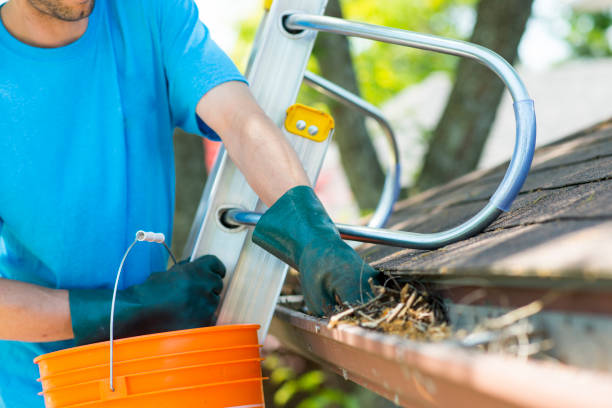
Written Warranties on Workmanship
Another important feature of reputable roofing companies is offering written warranties on labor in addition to manufacturer warranties for materials. A strong warranty reflects their confidence in delivering high-quality craftsmanship.
Benefits of written warranties include: – Assurance of repairs if issues arise after installation. – Protection against defects caused by poor workmanship.
Professionalism on Job Sites
Finally, observe the contractor’s professionalism throughout your interactions—from initial consultations through project completion:
Punctuality: Are they timely in meetings or completing work milestones?
Appearance: Do crew members maintain clean attire representing their professionalism?Clean-up practices: Ensure debris removal is part of their services post-installation.
By keeping these factors in mind when selecting a roofing contractor, homeowners can ensure they’re working with an experienced professional equipped to deliver exceptional results while prioritizing safety and transparency throughout each phase of the project.
Licensed Roofing Contractors: Why Certification is Essential for Quality Workmanship
When it comes to maintaining or upgrading your roof, hiring a licensed roofing contractor is one of the most important decisions you can make. Certification serves as a seal of quality and trust, ensuring that your roofing project will be completed to professional standards. Below, we’ll explore why certification matters and how it impacts the quality of workmanship.
What Does It Mean to Be a Licensed Roofing Contractor?
A licensed roofing contractor is a professional who has met specific requirements set by local or state authorities.
- Passing Exams: Contractors must demonstrate their knowledge of building codes, safety regulations, and best practices by passing an exam.
- Experience in the Industry: Licensing often requires proof of prior experience in the field.
- Insurance Coverage: Licensed contractors are required to carry liability insurance and worker’s compensation coverage to protect homeowners from potential risks.
- Ongoing Education: Many jurisdictions require contractors to stay up-to-date with industry developments through continuing education.
Licensing isn’t just about meeting legal requirements; it also demonstrates a commitment to professionalism and ethical business practices.
Benefits of Hiring a Licensed Roofing Contractor
Choosing a certified professional offers several advantages that improve both the process and outcome of your roofing project.
- Compliance with Local Building Codes
Licensed contractors are well-versed in local building regulations and ensure that all work meets code requirements. This reduces the likelihood of fines or issues during inspections. - Assurance of Quality Workmanship
Certification ensures that contractors have undergone proper training and possess the skills necessary for completing high-quality work. - Liability Protection
If accidents occur during the project, licensed contractors have insurance coverage that protects both parties from financial losses. - Access to Better Materials and Warranties
Many manufacturers only extend warranties on their products if they’re installed by certified professionals. - Increased Property Value
Homes with professionally installed roofs are more likely to pass inspections and maintain higher resale values.
Risks Associated with Unlicensed Contractors
| Risk | Explanation |
| No Insurance | Homeowners may be held liable for accidents or damages during the project. |
| Subpar Work | Unlicensed workers often lack formal training, leading to poor results. |
| Legal Penalties | Using an unlicensed contractor can lead to fines or delays in approval processes. |
By prioritizing cost savings over certification, you may end up spending more time and money on repairs or legal issues later on.
How Can You Verify Licensing?
- Request their license number.
- Contact your local licensing board or check online databases.
- Verify their insurance coverage by asking for proof of liability insurance.
- Look for affiliations with industry organizations such as the National Roofing Contractors Association (NRCA).
These verification steps ensure you’re hiring someone qualified to handle your project professionally and safely.
Hiring a licensed roofing contractor provides peace of mind as well as tangible benefits like better workmanship, compliance with laws, and long-term savings. When planning your next roofing project, prioritize certification over cost-cutting measures for results you can rely on for years ahead.
Good Roofing Companies: Key Features That Distinguish the Best in the Industry
When it comes to selecting a roofing company, the decision can feel overwhelming given the numerous options available. However, good roofing companies share certain traits that distinguish them from their competitors. Understanding these key features can help you make an informed decision and ensure that your roofing project is handled with professionalism and quality craftsmanship.
Proven Experience and Expertise
One of the hallmarks of a good roofing company is their proven experience in delivering excellent results over time. Look for companies with years of operation in the industry, as this indicates stability and reliability. Experienced roofers are more capable of handling complex projects and addressing unexpected challenges.
- A portfolio showcasing completed projects.
- Positive customer reviews highlighting quality workmanship.
- The ability to work with various roofing materials such as asphalt shingles, metal, tile, or slate.
Proper Licensing and Insurance
A reputable roofing company will always be licensed to operate in your area and carry sufficient insurance coverage. Licensing confirms that the contractor meets local regulations and industry standards. Insurance protects homeowners from liability should accidents occur during the project.
- The company’s business license.
- Proof of general liability insurance.
- Worker’s compensation coverage for employees.
Transparent Pricing and Estimates
Good roofing companies prioritize transparency when it comes to pricing. They provide detailed estimates that outline all costs associated with labor, materials, permits, and potential contingencies. This ensures there are no hidden fees or surprises once the project begins.
| Feature | Details |
| Detailed Estimates | Itemized breakdown of materials, labor costs, taxes, etc. |
| Competitive Pricing | Fair pricing without compromising on workmanship or material quality |
| Written Contracts | Clear agreements specifying scope of work, payment terms, warranties, etc. |
Strong Communication Skills
Effective communication sets apart good roofing companies from others. Contractors who prioritize keeping you informed at every stage of your project demonstrate professionalism and respect for clients’ needs.
- Timely responses to inquiries.
- Clear explanations about timelines and processes.
- Flexibility in accommodating your preferences or changes during the project.
Use of High-Quality Materials
Reliable roofers partner with top manufacturers to source durable materials that withstand weather elements while providing aesthetic appeal. They will guide you through choosing options tailored to your budget and home requirements without compromising performance.
- Architectural shingles for durability.
- Energy-efficient metal roofs.
- Eco-friendly options like recycled rubber or synthetic slate tiles.
Comprehensive Warranties
Good roofing companies stand behind their work by offering warranties on both materials and installation services. A strong warranty reflects confidence in their craftsmanship while giving homeowners peace of mind regarding future maintenance needs.
- Manufacturer Warranty: Covers defects in roofing materials (usually 20–50 years).
- Workmanship Warranty: Protects against errors made during installation (ranges from 1–10+ years).
By focusing on these key features when evaluating potential contractors, you can confidently select a reliable roofing company for your next project while ensuring superior results that stand the test of time.
Affordable Roofing Solutions: Balancing Quality and Cost for Long-Lasting Results
When considering roofing solutions for your home or business, affordability is often a key factor. However, finding a balance between cost and quality is crucial to ensure you make a worthwhile investment. Below, we’ll explore how to identify affordable yet durable roofing options and why compromising on quality can be costly in the long run.
Factors Affecting Roofing Costs
- Labor Costs: The experience and reputation of the contractor, as well as regional labor rates, will impact pricing.
- Permits and Inspection Fees: Some areas require permits for roof installation or replacement, which adds to the overall cost.
Understanding these factors can help you better prepare for your roofing project while ensuring you stay within budget.
Tips for Balancing Quality and Cost
Achieving an affordable roofing solution without compromising quality requires careful planning.
- Consider materials like metal panels if you’re looking for durability combined with long-term savings due to their minimal maintenance needs.
- Look into eco-friendly alternatives such as recycled shingles or synthetic materials that offer efficiency at a reasonable price.
- Get Multiple Quotes
Request quotes from multiple licensed contractors to compare costs. Be wary of exceedingly low bids, as they might indicate subpar workmanship or inferior materials. - Prioritize Preventive Maintenance
Investing in routine roof inspections and maintenance can extend the lifespan of your roof, reducing the need for frequent repairs or premature replacement. - Look Into Financing Options
Some contractors offer financing plans that allow homeowners to manage upfront costs more easily without sacrificing quality. - Evaluate Warranties
Ensure the materials and workmanship are backed by warranties to protect your investment over time.
Comparison Table: Roofing Material Costs vs Lifespan
| Roofing Material | Average Cost (Per Square Foot) | Average Lifespan |
| Asphalt Shingles | $1 – $5 | 15 – 30 years |
| Metal Roofing | $5 – $14 | 40 – 70 years |
| Wood Shingles/Shakes | $6 – $10 | 20 – 40 years |
| Slate Tiles | $10 – $30 | 50+ years |
| Synthetic Materials | $4 – $8 | 20 – 50 years |
This table highlights how investing slightly more upfront in durable materials can save money in repair and replacement costs over time.
Common Mistakes When Choosing Affordable Roofing Solutions
- Opting for unlicensed contractors who might use poor-quality materials.
- Ignoring warranty details that could provide financial protection later.
- Focusing solely on upfront costs without considering long-term maintenance expenses.
- Neglecting proper installation techniques—poor installation can lead to higher repair costs down the road.
Final Thoughts on Affordable Roofing Solutions
Affordable roofing doesn’t mean settling for less in terms of quality or durability. By understanding material options, comparing contractor quotes, prioritizing preventive care, and avoiding common mistakes, you can achieve a cost-effective solution that ensures both reliability and value over time. Always take the time to research thoroughly before committing to any roofing project to make an informed decision that aligns with both your budgetary needs and long-term goals.
- Key Signs You Need a Minneapolis Roofing Company for Immediate Repairs
- Top Reasons to Hire Licensed Roofing Services Minneapolis MN Experts
- The Importance of Regular Roof Inspections by a Trusted Roofer Minneapolis MN for Long-Lasting Protection
- Emergency Roof Repair: Finding a Reliable Roofing Contractor Minneapolis MN
- How Weather Impacts Your Roof and Why a Minneapolis Roofing Company is Essential
- Understanding Roof Repair and Replacement with a Trusted Minneapolis Roofing Company
- Effective Solutions to Common Roof Problems with a Trusted Roofing Contractor Minneapolis MN
- Essential Questions to Ask Before Hiring a Minneapolis Roofing Company